Ashwagandha: Ancient Healing Powers

Ashwagandha, known scientifically as Withania somnifera, is a sturdy shrub with yellow flowers and red fruit that grows mainly in India, the Middle East, and parts of Africa. It's roots and leaves have been harvested for their medicinal qualities, earning it nicknames like "Indian ginseng" or "winter cherry" due to its revitalising effects akin to those of true ginseng.
This clever herb helps the body cope with stress by balancing internal systems, comes in various forms such as powders, extracts, and capsules, and while there are no distinct "types" like with ginseng, standardised extracts like KSM-66 ensure consistent potency of active compounds called withanolides.
Traditionally brewed into teas or mixed with milk for daily tonics, ashwagandha has gained modern popularity for easing anxiety, boosting energy, and supporting sleep. Recent studies have explored its role in brain health, including potential benefits for dementia where cognitive functions gradually decline.
Dementia Hub examines ashwagandha's historical significance in herbal medicine, reviews evidence on its possible aid for dementia, outlines other well-supported health advantages. We aim to provide straightforward advice on adding it to everyday routines, drawing from scientific insights and traditional knowledge to offer a balanced view without exaggerating its effects.
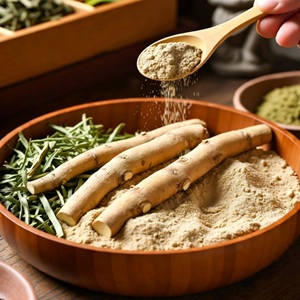
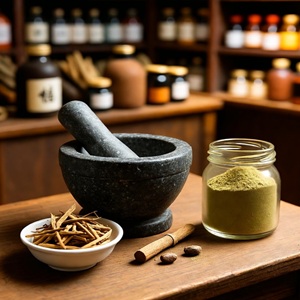
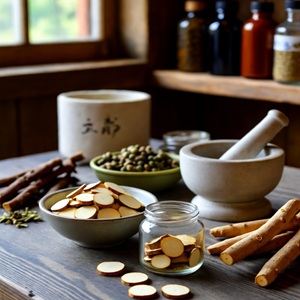

Ancient Use as a Herbal Medicine
Ashwagandha's journey in healing practices dates back over 3,000 years, rooted deeply in Ayurvedic traditions of India where it was classified as a "rasayana,". A rejuvenator meant to promote longevity, vitality, and mental clarity by nourishing the body's tissues and balancing the three doshas - vata, pitta, and kapha - according to ancient texts like the Charaka Samhita and Sushruta Samhita from around 600 BCE, which prescribed it for conditions such as weakness, infertility, and nervous exhaustion, often combined with ghee or honey to enhance absorption and efficacy.
In these early systems, practitioners viewed it as a strength-builder for warriors and scholars alike, using the root powder to fortify the body against physical strain and mental fog. Folklore described its horse like smell (ashwa meaning horse in Sanskrit) symbolising the vigour it imparted, much like how it was administered to restore energy in the elderly or those recovering from illness.
Its presence extended beyond India, appearing in Unani medicine of the Greco-Arab world and African folk remedies, where similar shrubs were utilised for pain relief and wound healing. Cross cultural exchanges along ancient trade routes carried knowledge of its anti-inflammatory and calming properties far and wide.
By the medieval period, ashwagandha had solidified its role in comprehensive health regimens, with Persian and Arabic scholars incorporating it into tonics for reproductive health and stress management. Texts were documented like the Canon of Medicine by Avicenna around the 11th century, which echoed Ayurvedic uses by recommending it for enhancing libido and combating fatigue. In Europe, early botanists are likely to have encountered related plants, this paving the way for its later introduction through colonial exchanges.
During the British Raj in the 19th century, Western physicians began studying Indian herbs, leading to ashwagandha's inclusion in literature for treating insomnia and rheumatic pains. By blending empirical observations with traditional wisdom it safety was highlighted for long-term use, unlike harsher remedies of the time.
This enduring appeal stemmed from its gentle action, making it suitable for all ages, including children for growth support and the elderly for vitality, with recipes passed down through generations emphasising its role in preventive care rather than just curative measures.
In modern contexts, this historical foundation has inspired global adoption, from African communities using it for immune support to contemporary herbalists in the West prescribing it for adrenal fatigue. Like many herbs and spices this reflects how ancient practices continue to inform today's wellness trends, with ongoing research validating many of these age-old applications through controlled studies that measure its bioactive compounds' impacts on human physiology.
Ashwagandha's legacy as a versatile healer bridges eras, offering a testament to nature's pharmacy and encouraging a respectful integration of tradition with science in pursuit of better health.
Ashwagandha and Dementia
Ashwagandha's withanolides and other compounds show potential in laboratory and clinical settings to protect neurons, reduce oxidative stress, and modulate inflammatory pathways that contribute to cognitive decline, as evidenced by recent 2025 reviews summarising its protective effects across various populations.
For instance, a 2025 study on adults with mild cognitive impairment demonstrated that standardised ashwagandha extract at 300-600 mg daily over 30 days improved memory, attention, and spatial abilities. Participants showed enhanced scores on cognitive tests linked to reduced neuroinflammation and better neuronal regeneration in brain regions like the hippocampus.
Human trials, such as a 2024 acute and repeated supplementation study, revealed improvements in markers of cognitive function and mood, attributing these to ashwagandha's ability to lower cortisol and inflammation while promoting neurogenesis. These effects were even more pronounced in those experiencing stress-related cognitive fog, which often precedes dementia.
A systematic review from 2025 echoed this, concluding that ashwagandha enhances overall brain health in the elderly by inhibiting pro-inflammatory cytokines like TNF-alpha and reducing amyloid-beta levels. This potentially delays onset or slowing progression in at risk individuals, though longer term studies are needed to confirm durability.
Additionally, its properties may indirectly benefit dementia patients by improving sleep and reducing anxiety, factors that exacerbate symptoms, as noted in discussions on platforms where users share experiences of combining it with other herbs for brain support.
Despite promising results, such as a 2021 analysis showing faster reaction times and better perseverance in cognitive tasks, challenges remain, including variability in extract quality and limited large-scale trials focused solely on dementia. While it holds exciting potential as a complementary approach, it should be used under medical supervision to avoid interactions and ensure it fits within broader care plans.
As research evolves into 2025 and beyond, ashwagandha could emerge as a key natural tool in maintaining brain vitality, particularly when lifestyle factors like diet and exercise are also addressed.


Other Health Benefits
Ashwagandha's broad spectrum of advantages extends well beyond brain support, with evidence based research highlighting its role in stress reduction, where it lowers cortisol levels by up to 30% in stressed adults over 8-12 weeks at doses of 300-600 mg. This leads to decreased anxiety, better mood, and enhanced resilience to daily pressures, and has been confirmed by systematic reviews and clinical guidelines from health authorities.
In sleep disorders, it promotes deeper rest and faster onset, particularly beneficial for those with insomnia tied to stress, with studies showing improved sleep quality and reduced fatigue without the grogginess of conventional sedatives, making it a gentle option for long-term use.
For physical performance, it boosts muscle strength, coordination, and cardiorespiratory endurance in healthy individuals, with trials indicating gains in athletic output and recovery. In addition, there are potential cardioprotective effects that help manage blood pressure and cholesterol through anti-inflammatory actions.
Hormonal balance is another key area, especially for men where it supports healthy testosterone levels in those under stress, aiding fertility and vitality, while for women, it may alleviate menopausal symptoms like hot flashes and mood swings by modulating hormones without synthetic interventions.
Its anti inflammatory and antioxidant properties extend to metabolic health, helping regulate blood sugar in diabetes management and potentially reducing risks of related complications, as seen in placebo-controlled studies demonstrating better glycaemic control.
Furthermore, ashwagandha shows promise in immune support, pain relief for conditions like arthritis, and even skin health by combating oxidative damage. It is considered safe for adults, but does have rare side effects like mild digestive issues or drowsiness, and cautions for pregnant individuals or those on thyroid medications.
Overall, its versatility as a natural supplement makes it a valuable addition for holistic wellbeing, backed by growing scientific consensus.


How to Incorporate Sage into Your Life
Bringing ashwagandha into your routine can be seamless and adaptable, whether through supplements, teas, or culinary additions, allowing you to tailor its use to your needs like stress relief or better sleep. Experts suggesting starting at 300-600 mg daily of root extract, divided into morning and evening doses to align with its energising yet calming effects, and always taken with food to prevent any stomach discomfort.
For a simple start, mix ashwagandha powder into warm milk or a golden latte with turmeric and honey before bed, creating a soothing ritual that enhances absorption through fats and promotes relaxation, or blend it into morning smoothies with fruits, yoghurt, and nuts for an energy boost without the crash of caffeine.
Capsules offer convenience for busy days, taken with meals to maintain steady levels, while brewing it as tea - steeping 1 teaspoon in hot water for 5-10 minutes and can also be sweetened with a touch of cinnamon for flavour and added benefits.
Incorporate it creatively into meals by stirring powder into soups, oatmeal, or baked goods like muffins, ensuring a gradual build-up over 30 - 45 days to notice effects like improved mood or strength, and pair it with practices such as yoga or meditation to amplify its stress-busting potential.
For targeted use, like hormone balance, combine with honey or ghee in traditional recipes, and consult a professional to adjust based on health conditions, cycling use with breaks to sustain efficacy.
Growing it at home in sunny spots adds a personal touch, yielding fresh roots for custom blends.
Ashwagandha embodies the timeless wisdom of natural remedies, from its origins as a vitality enhancer to recent studies affirming its support for dementia through neuron protection and inflammation reduction. Alongside broader perks like stress relief, hormonal harmony, and physical endurance that contribute to a fuller life. Its evidence-backed profile encourages thoughtful inclusion in wellness strategies, ideally guided by experts to maximise safety and benefits.
By embracing this herb in daily habits, one can tap into its gentle power, fostering resilience in an ever-demanding world.