Chamomile: The Gentle Herb
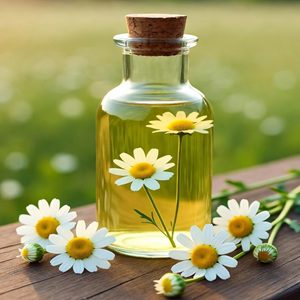
Chamomile is a small, daisy-like flower that has been loved for centuries. It grows in many parts of the world and is known for its soft, apple-like smell. There are two main types: German chamomile and Roman chamomile. Both are used in herbal remedies, but German chamomile is more common for medicine. People often drink it as tea to relax or ease minor health issues. In recent years, scientists have looked at how it might help with brain health, like dementia. This article explores chamomile's history, its possible role in fighting dementia, other health perks, and simple ways to add it to your daily routine.
Dementia Hub keeps things straightforward and we focus on what research suggests, without making big claims.
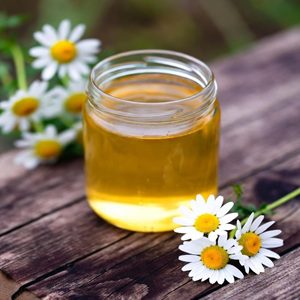
Ancient Use as a Herbal Medicine
Chamomile has a long story in healing. It dates back thousands of years to ancient times. In Egypt, around 1550 BCE, it was noted in medical texts like the Ebers Papyrus. Egyptians saw it as a sacred plant linked to their sun god, Ra. They used it to treat fevers, skin problems, and even in embalming the dead. Its calming effects made it a go-to for soothing the body and mind.
The Greeks and Romans also prized chamomile. Hippocrates, often called the father of medicine, wrote about it in his works around 400 BCE. He used it for stomach aches and women's health issues. The name "chamomile" comes from Greek words meaning "ground apple" because of its scent. Roman doctors like Dioscorides listed it in their books for treating headaches, kidney stones, and liver troubles. They spread its use across Europe as their empire grew.
During the Middle Ages, chamomile became a staple in monastery gardens. Monks grew it alongside other herbs like sage for treating the sick. Old English herbals from the 10th century describe it as a cure for eye infections, wounds, and digestive woes. It was easy to grow and safe, so it was common in homes. In folklore, it was thought to bring good luck and ward off evil.
When Europeans came to America, they brought chamomile with them. Colonists used it for colds and upset stomachs. Native Americans already knew similar plants and quickly adopted it. Tribes like the Cherokee used it for pain relief and skin care. By the 1800s, it was in many medical guides worldwide. Today, it's still one of the most popular herbs, with its roots in these ancient practices showing how trusted it has been over time.
This history highlights chamomile's gentle nature. Unlike strong drugs, it was seen as a safe, everyday helper. Modern science now builds on these old uses, checking if they hold up with tests.
Chamomile and Dementia
Whilst there is no cure yet some natural items like chamomile are being extensively studied for possible benefits. Chamomile has compounds that act as antioxidants and these fight harmful particles called free radicals, which can damage brain cells. In dementia, brain inflammation and cell damage play a big role, so antioxidants might slow this down.
One key part of chamomile is apigenin, a flavonoid and lab studies show apigenin can help form new brain cells and strengthen links between them. This might improve memory and learning. In 2015, researchers found it could benefit neuron health, which is key in fighting dementia.
More recent work in 2025 looked at chamomile essential oil with results showing strong antioxidant effects and potential to protect nerves. Tests on cells suggested it could help with Alzheimer's by reducing inflammation and cell death.
Some human studies link tea drinking to lower dementia risk and a 2017 report stated regular tea drinkers had up to 50% less chance of dementia. While this includes all teas, chamomile's calming effects might add to it. It helps with sleep and stress, both linked to brain health. Poor sleep can worsen dementia symptoms, so better rest could help.
Aromatherapy with chamomile oil has shown promise too, in a 2025 study, essential oils like chamomile improved thinking in dementia patients. It helped with abstract ideas and daily tasks. The scent seems to calm the mind and reduce agitation.
Another review mentioned chamomile as an anti-inflammatory herb for brain swelling in Alzheimer's.
But with these trials must be careful and not raise expectations as most studies are small scale or on animals. Human trials are few, and results do vary. For example, one test with chamomile tea showed it might slow attention but help relaxation. As with all herbal remedies, it's not a replacement for medical care but could possibly provide additional benefits that compliment primary care. If you have dementia, talk to a doctor before trying it. It might interact with drugs. Still, the potential is exciting, and more research is underway.
In summary, chamomile's antioxidants and calming traits offer hope for dementia support by possibly protecting brain cells and easing symptoms like anxiety. As science grows, we might see it used more in care plans.
Chamomile: Other Health Benefits
Beyond brain health, chamomile has many perks backed by studies. It's known for helping sleep due apigenin binding to brain parts that make you drowsy, it is not surprising that many people drink chamomile tea before bed to unwind. A review found it improves sleep quality, especially for those with mild insomnia.
It also eases anxiety. Its mild sedative effect calms nerves without strong side effects. Studies show it reduces worry in people with general anxiety disorder which makes it a natural choice for stress relief.
For digestion, chamomile relaxes gut muscles and reduces bloating. It's used for upset stomachs, gas, and even IBS symptoms. Anti-inflammatory compounds help soothe the lining of the gut.
Women might find it helpful for menstrual pain. It acts like a muscle relaxant, easing cramps. Some research links it to less discomfort during periods.
Chamomile supports blood sugar control. In people with diabetes, it might lower levels after meals. This is due to its anti-inflammatory action and help with insulin.
Heart health could benefit too as flavonoids lower blood pressure and cholesterol. Regular use might reduce heart disease risk.
On the skin, it's great for wounds and irritations. Creams with chamomile speed healing and reduce eczema symptoms. Its antibacterial traits fight infections.
It may even protect against some cancers. Lab tests show compounds stop cell growth in certain types, but more larger scale human studies are needed.
Overall, chamomile's anti-inflammatory, antioxidant, and calming effects make it versatile. It's generally safe, but allergies (especially to ragweed) can occur.
How to Incorporate Chamomile into Your Routine
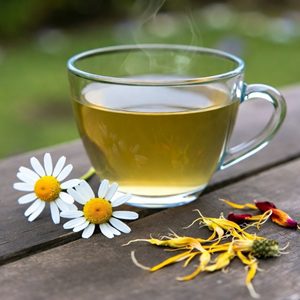
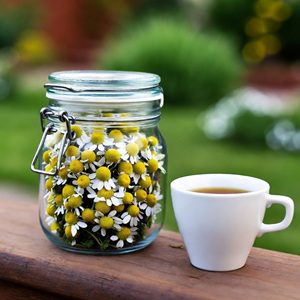
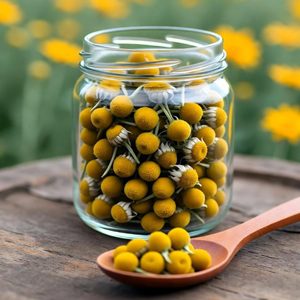
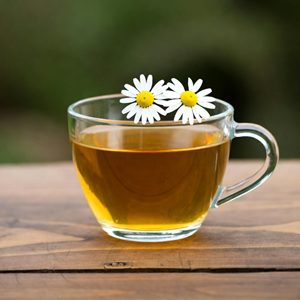
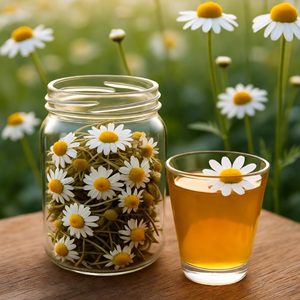
Adding chamomile to your routine is easy and fun. The most common way is tea - boil water, add a teaspoon of dried flowers or a tea bag, and steep for 5-10 minutes then drink plain or with honey. Aim for 1-2 cups a day, especially at night for better sleep.
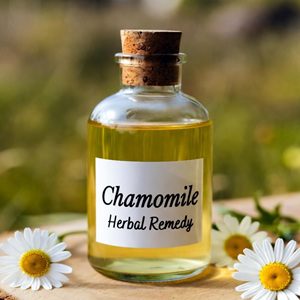
For stress, try a tincture. This is a liquid extract you drop under your tongue, simply start with small amounts as directed.
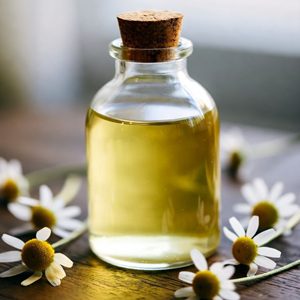
Essential oil is great for aromatherapy and many already add a few drops to a diffuser or bath for relaxation - you can also add flowers directly to your bath to sooth both your skin and your mind. Mix with carrier oil for skin massage to ease tension.
In food, fresh flowers add a mild flavour to salads or desserts. Dry them for homemade blends which you can play around with to get the perfect additive.
Capsules offer a simple dose, around 900-1200 mg daily but as always, check with a doctor if you take meds.
Why not grow your own, its a fun and relaxing way of ensuring you always have a fresh supply! Chamomile is hardy and can be planted in pots where you can harvest flowers for fresh use whenever you choose.
Chamomile is more than a pretty flower - it's a time-tested herb with real potential. From ancient Egypt to modern labs, it has helped with many issues. Its promise for dementia lies in protecting brain cells and reducing stress, though more studies are needed. Other benefits like better sleep, digestion, and heart health make it worthwhile. By adding it as tea, oil, or in food, you can enjoy its gentle effects.
Always consult a health expert for serious conditions. With its rich history and ongoing research, chamomile remains a soothing friend in a busy world.