Coriander: The Versatile Herb
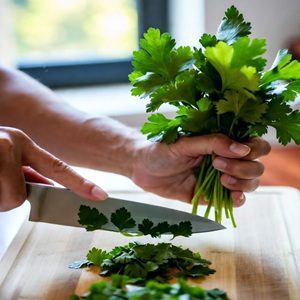
Coriander, also known as cilantro in some places, is a bright green herb with a fresh, citrus-like taste. It comes from the plant Coriandrum sativum, and both its leaves and seeds are used in cooking and medicine. The leaves are often called cilantro, while the seeds are ground into spice. It grows easily in many areas and adds flavour to dishes worldwide. People use it to ease tummy troubles or boost health.
Lately, experts have increased studies on how it might help with brain issues like dementia. Dementia Hub looks at coriander's past, its possible aid for dementia, other health gains, and easy (and delicious) ways to add it to your routine.
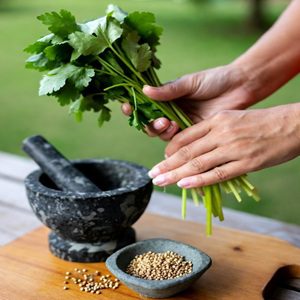
Coriander - an ancient medicine
Coriander has a rich history in healing that goes back thousands of years starting in the Mediterranean and Near East regions. Seeds were found in Neolithic sites from around 7000 BCE, showing early use. In ancient Egypt, it was a key herb and seeds were even found in the tomb of Ramses II, with Egyptians calling it the "spice of happiness" for its uplifting effects. They used it for stomach problems and even in mummification.
The Greeks and Romans loved it too. Hippocrates mentioned it around 400 BCE for its medical perks. Romans used it in food and remedies, as can be seen in many recipes of the time. It spread with their empire, becoming common in Europe. In the Bible's Old Testament, it's compared to manna, hinting at its value in ancient Israel.
In India, coriander has been part of Ayurvedic medicine for over 3,000 years with texts describing its use for digestion, fever, and skin issues. It balances the body's energies and cools inflammation.
Chinese medicine adopted it around the Han Dynasty, using seeds for appetite and harmony in the body.
During the Middle Ages, it grew in monastery gardens across Europe. Herbalists like Hildegard von Bingen praised it for easing wind and colic. It was also added to ointments for joint pain and rheumatism.
Explorers took it to the Americas in the 1600s, where it mixed with local traditions and native groups who used it for pain and digestion.
By the 1800s, it was in many pharmacopoeias worldwide with one of the benefits being its gentle action making it safe for all ages. Today, this long use inspires modern research, checking old claims with science.
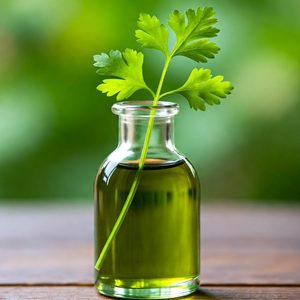
Can Coriander help Dementia
Herbs like coriander are under study for supporting many conditions, especially as it has antioxidants that fight cell damage in the brain. Free radicals cause harm, leading to inflammation linked to dementia and coriander's compounds may reduce this.
Linalool, a key part in coriander, shows neuroprotective effects that may ease anxiety, seizures, and also Alzheimer's symptoms. Animal studies suggest it protects nerves and improves brain function. A 2024 study found coriander compounds reduce oxidative stress and cell death in brain models.
In aging mice, coriander seed extract improved memory and learning. It boosted antioxidants in the brain's prefrontal area, slowing decline. Another test on senescence-accelerated mice showed better memory from the extract.
Human links come from diets rich in herbs. Eating cilantro may cut cognitive disease symptoms, but more trials are needed to ascertain the full potential benefits. However, it is clear that hope should be maintained and a 2025 review noted its role in neurodegenerative disorders, like reducing protein build up in Parkinson's.
Essential oil from seeds helped in a scopolamine model, improving memory and reducing anxiety-like behaviour.
Coriander lowers inflammation and supports brain health but most work with this herb is on animals or cells with human studies relatively small. It may help with stress and sleep, which affect dementia. Always consult a medical professional before altering any medications, be they pharma or herbal; it could interact with meds. The promise is there, with ongoing research active as of 2025.
Coriander: Other Health Benefits
Coriander offers many perks beyond the brain, backed by science. Its seeds and leaves are full of polyphenols that fight obesity and related issues. They reduce inflammation and improve metabolism.
For heart health, it lowers blood pressure and cholesterol. Studies show anti-atherogenic effects, preventing artery buildup. It also steadies heart rhythm.
Antioxidants protect cells from damage, possibly cutting cancer risk. It has antimicrobial power against bacteria and fungi.
In diabetes, it drops blood sugar and aids insulin. Seeds help with resistance, making it a functional food.
Digestion improves with coriander. It eases bloating, gas, and IBS. Traditional use for gut health holds up in studies.
Skin benefits from its soothing action. It fights infections and reduces irritation. For anxiety, it calms like mild sedatives.
It supports immunity and detox, binding heavy metals. Vitamins like K aid clotting and bones.
Overall, its anti-inflammatory and nutrient-rich profile makes it great for daily health. Safe for most, but check for allergies.
Add Coriander to your life
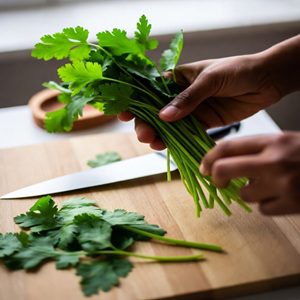
Adding coriander is simple and tasty. Use fresh leaves in salads, soups, or as garnish. Chop and mix into salsas or guacamole for a fresh kick.
For seeds, grind them into spice for curries, rice, or meats. Add to breads or pickles for flavour.
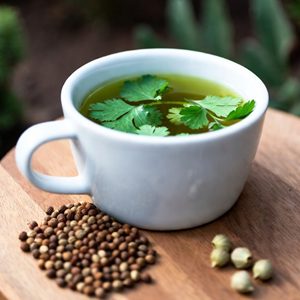
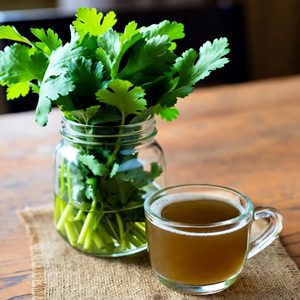
Make tea: Boil seeds or leaves in water for 5-10 minutes. Drink for digestion or weight aid.
In smoothies, blend leaves with fruits for nutrients. Or make chutney: Blend with garlic, chilli, and lemon for dips.
Try parathas: Mix chopped leaves into dough for flatbreads. Or dal: Add to lentils for taste and health.
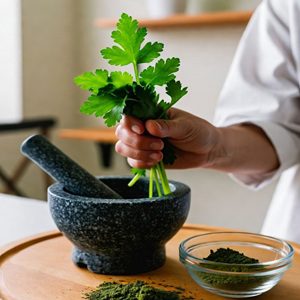
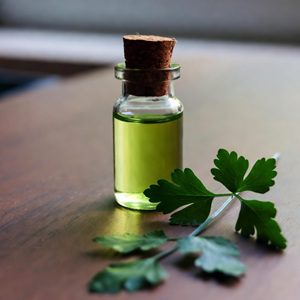
Paste: Crush leaves for marinades or dressings. Infuse oils or vinegars.
Supplements like capsules offer concentrated benefits, but start low.
Grow it at home: Easy in pots, harvest fresh. Use in pasta, sandwiches, or cocktails.
Aim for daily use to build benefits. It's versatile for meals or remedies.
Coriander is a humble herb with a big legacy. From ancient tombs to modern kitchens, it has aided health in many ways. Its potential for dementia comes from protecting brain cells and reducing stress, though more human studies are key. Other gains like better heart, sugar control, and digestion make it a smart choice. By sprinkling it in food, tea, or grows, you can enjoy its perks easily. Talk to a health pro for any concerns. With its history and science, coriander adds zest to life.