Coping Strategies for Dementia
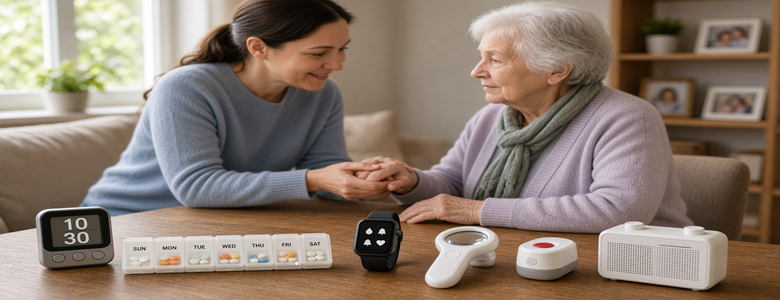


There is still no cure for the common dementias, but the way a household responds to change can protect dignity, reduce daily friction, and keep both the person living with dementia and their carers safer for longer. Coping, in this sense, is not a matter of positive thinking or of pretending that losses are smaller than they are. It is the steady work of adapting routines, rooms and conversations so that remaining skills are used, distress is noticed early, and the relationship does not collapse under repetition, fear or exhaustion.
NICE guidance on dementia care, last reviewed in October 2025, still places person-centred support at the centre of good practice, which means the plan has to fit the person rather than a template. What they valued, how they liked to be spoken to, and whether pain, infection, constipation, poor sleep or a sudden change in routine is driving the day all matter as much as the diagnosis itself.
Alzheimer’s Society and Dementia UK give families the same practical message. Look for the need behind the symptom, keep the day predictable, and do not argue with a memory that can no longer hold the correction. The approaches below follow that line. They favour low cost changes that can be started at home, and they work best when the person is involved early, while they can still say what helps and what feels insulting.
Dementia Memory Loss
Memory loss in dementia most often affects recent events, names, instructions and the thread of a conversation, while older memories of childhood, work and long relationships can remain surprisingly clear. The person may ask the same question several times in an hour, lose an appointment that was agreed that morning, or be unable to say where they put their keys, and the cause is damage to the brain systems that form new memories rather than a lack of effort or attention. For the person, the result is a growing reliance on the world outside their head. For carers, the strain often comes from repeating the same explanation and feeling that nothing has been retained, even when the person is trying hard.
Useful support externalises memory instead of testing it. A large wall calendar with the day and date written in clear letters, a whiteboard in the kitchen for the meal plan, and labelled cupboards with words and simple pictures all reduce the need to recall what cannot be recalled. A single place by the door for keys, wallet, glasses and a short outing checklist prevents the search that often starts the day badly and spills into an argument before anyone has left the house. Automatic bill payments, and a banking alert to a trusted person if spending looks unusual, protect finances without turning every transaction into a memory test. A short daily note, written together and illustrated with a photo of what happened, can be looked at in the evening so the day still has a shape even if the details have faded.
Carers can keep a laminated card of the answers that come up most often, so the reply stays the same and does not become a debate about whether the question has already been asked. A shared family message can spread reminders so that one person is not the only memory in the house, and a smart speaker can answer simple questions about the time or the next meal if the person is comfortable with it and someone else can manage the settings. Occupational therapy, arranged through the GP or memory service, can suggest a pill dispenser with an alarm and other aids that fit the actual home rather than a catalogue. It also helps to notice when lapses cluster, often late in the day or in noise, and to simplify those hours rather than add more instructions that will not be held.
Technology is a support, not a treatment. A phone reminder for medicine, a shared calendar and a spare key in a labelled spot are enough for most households, and a wearable device with a location function can reassure a family if disorientation has already led to someone becoming lost, provided it is introduced with consent where the person can still give it. Brain training apps are often marketed as a way to rebuild memory, but they have not been shown to change the course of dementia, so the time is better spent on a real conversation, a walk, or a familiar task done with help. A regular health check still matters, because low vitamin B12, thyroid problems, hearing loss, depression and some medicines can make memory look worse than the dementia alone would.
Whilst none of these steps restores the lost memory it can give the person confidence so that more of the day can still be lived, and give the carer fewer repeated crises to absorb.
Daily Tasks
Difficulty with daily tasks appears when planning, sequencing and attention no longer run automatically, so dressing, cooking or paying a bill becomes a chain of decisions rather than a habit. Clothes may be put on in the wrong order, a meal may be started and abandoned, and money may be muddled even though the person once managed all of this without thinking. The aim is not to take every task away at the first sign of trouble. It is to leave the person doing the parts they can still do, with the steps made visible, so that assistance does not slide into a takeover that neither of you wanted.
Visual sequences help more than spoken lists that disappear as soon as they are heard. A dressing guide in the bedroom, outfit bundles already matched in a drawer, and a one pot meal with the ingredients set out in order all remove choices that have become exhausting. Easy-grip utensils, button hooks and lever taps reduce the physical struggle that is often mistaken for unwillingness, and grouping personal care in the morning and lighter chores in the afternoon makes better use of the time of day when energy is highest. Standing orders for regular bills, with the person still involved in looking at a simple summary if they wish, keep money moving without a weekly confrontation at the laptop.
Carers can watch where the sequence breaks and insert one prompt rather than taking over the whole job. Sorting laundry by colour, laying the table or stirring a pan may still be possible when online banking is not, and a shared planner that puts bill paying on a set day keeps involvement without risk if the carer handles the screen and the person approves what they still understand. A home assessment from occupational therapy or the local authority can add grab rails, safer lighting and appliances that switch themselves off. A weekly note of what still went well is more useful than a list of failures, because it shows which aids to keep and which have become another thing to remember.
Carers also need a planned break, because guidance given by someone who is exhausted becomes sharper, and the person feels the difference even if they cannot name it.
Dementia and Confusion
Confusion in dementia is disorientation in time, place or person, so midday can feel like bedtime and a familiar room can seem strange. It raises the risk of falls, missed meals and distress, and it is often worse in the evening, a pattern sometimes called sundowning. Correcting the person rarely helps, because the correction itself cannot be held, and the argument becomes the thing they remember.
Anchors work better than explanations. A large clock and a calendar in each main room, doors labelled with a word and a picture, and furniture left where it has always been give the house a stable map. A wrist card with the day’s outline, and a small family photo card with names, can travel with the person. Carers can open a conversation with the facts already in it, for example by saying that it is Wednesday afternoon and that you are both in the living room. If the person does not recognise someone, a calm introduction is kinder than a test. Evening confusion often eases when lights are brighter rather than dimmer, noise is reduced, and a familiar radio programme is on. A notebook of episodes can show whether fatigue, infection, constipation or a new tablet is the real trigger, which is worth telling the GP, because delirium layered on dementia can look exactly like a sudden worsening.
A door alarm and a simple GPS device, used with the person’s agreement where they can still give it, are safety tools rather than surveillance. In England and Wales, families can also register a Herbert Protocol with the local police, so that a recent photo and useful details are already on file if the person goes missing. A daily walk through the home, naming the kitchen and the bedroom, reinforces layout without turning it into a lesson. These measures do not remove confusion. They make the confused hours shorter and less frightening.
Language Difficulties
Language difficulties show up as lost words, sentences that trail off, and conversations that jump subject, so needs are harder to express and both people can end the exchange feeling unheard. The person has not stopped having something to say. The route from thought to speech has become slower and less reliable, and in some dementias, particularly the language led forms of frontotemporal dementia, this change arrives before memory is badly affected.
Picture cards for drink, toilet, pain and help, kept where they will actually be used, give a route around a missing word without turning every request into a search. Short practice with familiar objects can keep confidence up, but drilling vocabulary for its own sake often frustrates more than it helps, especially if the session feels like a test. Speech to text on a tablet helps some people compose a message when speaking fails, and a shared book of pictures for feelings, food and activities lets you point together instead of hunting for a word that will not come. Local speech and language therapy, available through a GP referral on the NHS, can suggest approaches that fit the type of dementia rather than a generic communication tip.
Carers help most by slowing down. One idea at a time, a pause long enough for an answer, and a position where the person can see the speaker’s face all improve the chance of being understood, because many people use expression and lip movement when the words themselves are unclear. Yes or no questions, or a choice between two things, work better than “what do you mean?”, which adds pressure at the moment the person is already stuck. Hearing should be checked, and hearing aids should be worn and maintained, because an untreated loss is often mistaken for worse dementia. Background noise from a television makes every sentence harder, so meaningful talk belongs in a quieter part of the day. Augmented reality glasses and formal sign language courses are rarely needed, and they can add complexity the person cannot use.
Erratic Judgement
Judgement changes when the brain can no longer weigh risk and consequence in the way it once did, so the person may leave the hob on, give money to a stranger, skip meals, or stop washing without seeing why that matters. This is not stubbornness. It is a loss of the internal check that used to run in the background, and it needs practical limits more than lectures.
Prompts work when the decision has been made smaller. A simple chart for teeth, wash and breakfast, a meal already portioned so that sweet food is not the only thing in reach, and a shower that does not require a long sequence of choices all reduce the number of judgements in a morning. Cash can be limited with a prepaid card that has a cap, reviewed with the person if they can still take part. Role play of “is this safe?” has little value once insight has gone, so the safer route is to remove the hazard rather than reteach the risk.
Carers can check the fridge, the hob and the post once a week without turning the home into an inspection. A gas or electric shut off, a locked cupboard for cleaning products, and a bank alert for unusual payments prevent the harms that poor judgement creates. A GP or pharmacist review is worth requesting if judgement worsens suddenly, because infection, pain, low blood sugar and some medicines can all do this. Day services can offer supervised activity without pretending to restore decision making. The person keeps as much choice as is safe, over tea, clothes and music, while the decisions that can cause serious harm are quietly narrowed.
Dementia Mood Swings
Mood can shift quickly in dementia, from calm to anger or from contentment to fear, often because a small frustration meets a brain that can no longer explain it away. Noise, a crowded room, pain, hunger and tiredness are common triggers. The person may feel embarrassed afterwards, and the carer may feel that the relationship has become unpredictable.
A notebook of what happened just before a change, kept simply, is more useful than a scored app. A quiet corner, a familiar object, and a short break from noise give the feeling somewhere to go. Breathing exercises help some people if they already know them, but teaching a new technique in the middle of distress usually fails. Colouring, a familiar song, or folding laundry can redirect energy once the peak has passed.
Carers do better by catching the early sign, such as pacing or a tighter voice, and changing one thing: a drink, a different room, fewer people. A five minute warning before an activity ends reduces the jolt of a sudden stop. NHS talking therapies can help if the person is still able to use them, and a community mental health referral is appropriate if swings are severe. Carer respite matters here as much as any technique, because a depleted carer has fewer calm responses left. Lavender and similar scents are pleasant for some people and irritating for others. They are not a treatment.
Apathy and Withdrawal
Apathy is a loss of drive, often linked to changes in the frontal parts of the brain, so hobbies and conversations stop even when the person is not obviously sad. Days flatten, sitting increases, and physical health follows. It overlaps with depression, and a GP should help separate the two, because low mood can be treated in its own right.
Interest returns, when it returns, through small steps rather than encouragement to “try harder”. Watering one plant, looking at a photo menu of old hobbies, or listening to a piece of music from earlier life gives a starting point that does not depend on motivation the person no longer has. One phone call a week, with a topic written down, is a better target than a full social diary. Art groups and dementia cafés help when transport is arranged, because the barrier is often getting there rather than the activity itself.
Carers can offer a choice of two things, start the task together, and then step back. A craft table left ready, a walk at the same time each day, and daylight in the morning all make a start more likely. Family members can rotate who leads the activity so that one person is not carrying the enthusiasm alone. A note of what produced a smile is worth more than a sticker chart, which many adults experience as childish. B12 should be checked if the GP advises it, not started as a supplement on guesswork.
Anxiety and suspicion
Anxiety and suspicion arise when the brain misreads threat, so a misplaced purse becomes theft and an ordinary noise becomes danger. Sleep, eating and trust all suffer, and arguing about the facts usually deepens the fear, because the person cannot update the belief with the explanation and may hear the correction as proof that something is being hidden. The feeling is real even when the story is not.
A steady routine, a board of family photos with names, and a quiet reply that takes the feeling seriously all lower the temperature. Saying that you can see it feels worrying, and that you will look together, works better than insisting that nobody stole anything. A torch by the bed, a labelled basket for glasses and keys, and a short note of what was found can settle a repeated fear without a lecture. A familiar object to hold, and a short walk if it is safe, can bleed off tension once the moment has eased. Trust diaries and graded exposure charts are too elaborate for most households, and they assume a level of insight that may already have gone.
Carers should reduce clutter and unexpected noise, keep a simple log of episodes, and ask the GP to review pain, infection, constipation, hearing and medicines before any calming drug is considered. Everyone in the family needs the same response, because mixed messages feed the suspicion that people are not telling the truth. Respite, a befriender, and a yearly look at the lasting power of attorney reduce the practical fear underneath the symptom. Herbal teas are fine if the person likes them and the pharmacist has checked them against prescribed medicines.
Depression in Dementia
Depression in dementia is persistent sadness, hopelessness or loss of pleasure, often with tearfulness, sleep change and neglected self-care. It can look like apathy, but the misery is more obvious, and it deserves assessment rather than a sunshine chart alone. Grief for lost abilities is also real, and the two can often sit together, which is why a family should not have to decide unaided which name fits.
Daylight in the morning, a box of familiar letters or photographs, one small pleasant activity, and company at a meal all support mood without demanding that the person cheer up. Music from their own life, time with a pet, or a short visit from one person often does more than a long outing that exhausts everyone. An audio book at a meal can make eating less empty if reading has become hard, and a photo frame of known faces can prompt a story without a test of names.
Carers should tell the GP rather than screening at home with a specialist scale such as the Cornell tool, which belongs in a clinical assessment. Talking therapies adapted for dementia, and antidepressant treatment when a clinician advises it, are the evidence-based routes, and NHS talking therapy services vary in how far they adapt for cognitive impairment, so a memory service or older age psychiatry referral may be the better path. What matters in the house is a predictable pleasant event, sleep that is protected, and a carer who is not doing this alone. If despair includes talk of not wanting to live, that needs same day advice from the GP, NHS 111, or emergency services if the risk is immediate, not a coping tip. Vitamin D is a GP decision after a blood test, not a winter routine to start unsupervised.
Dementia Hallucinations
Hallucinations are perceptions without a source, such as seeing people who are not there or hearing voices, and delusions are fixed false beliefs, such as the conviction that belongings are being hidden. They are especially associated with dementia with Lewy bodies, and they can also follow infection, poor eyesight, hearing loss or the wrong medicine. Challenging the experience head on often increases distress, because the person cannot set the perception aside on request.
A calm acknowledgement, a move to another room, and a simple activity such as sorting buttons or having tea interrupt the episode without a reality dispute. Brighter evening light, a check that glasses and hearing aids are in use, and a reduction in dramatic television all lower the chance of misperception. A short log of time, what was seen or believed, and what helped is useful for the clinic. Antipsychotic drugs are not a routine answer. NICE advises against them unless distress or risk is severe, because they raise the chance of stroke and other serious harm, and they can be particularly dangerous in Lewy body dementia. Any prescription needs a specialist who knows the dementia type.
Offering to check with a neighbour, rather than insisting a shadow is nothing, can be kinder than a confrontation if the person cannot use the correction. This kind of response should protect dignity, not deceive for convenience, and families should agree it so that one person is not inventing a different story each time. Home layouts with fewer dark corners, a pharmacist review of medicines, and a specialist clinic for persistent hallucinations are the right next steps. Augmented reality labels and novelty reinterpretations do not belong in ordinary advice.
Wandering in Dementia
Walking that looks purposeless is often a search for a toilet, a person, a former workplace or a familiar route, or a response to pain, hunger and boredom. The risk is getting lost, traffic and falls, not the walking itself, so the goal is safe movement rather than confinement. Many people are calmer once the urge has been given a route.
An indoor path that is clear and well lit, a timed walk with a companion, and something to do with the hands can meet the urge without an exit. Escorted local walks at a familiar time work better than a treadmill presented as therapy, and a box of safe objects to handle can occupy the hands when the legs need to stop. A harness or leash is not an acceptable strategy. It treats an adult as if they were being restrained, and it can increase distress and falls.
Carers can use a simple door alarm, window restrictors, and a location device or identity bracelet with a name and phone number, agreed as far as the person can take part in that decision. The Herbert Protocol, registered with local police, gives officers a photo and key details if someone is missing, which is more useful in the first hour than a search begun from nothing. Neighbours who know to call, rather than to challenge, are a practical network. Night alarms that wake the carer without startling the person reduce the worst risk.
Sedatives to stop walking are a medical decision for severe risk only, not a coping tip. Hunger, thirst, pain and a full bladder should be checked first, because they drive a large share of exits.
Restlessness in Dementia
Restlessness shows as pacing, fidgeting and repeated movements, and it often signals discomfort, boredom or overstimulation rather than a habit to be trained out. Long pacing tires the person and can lead to knocks and falls, while constant fidgeting can make meals and conversations impossible to finish. The movement is usually an attempt to settle something the person cannot name.
A clear walking circuit, a box of objects that are safe to handle, and a short rhythmic activity such as folding or sorting give the movement somewhere to go. Textured items and a familiar piece of music help some people settle in a chair once the peak has passed, and a group movement session is useful if the person enjoys it and transport is realistic. Lap counters, metronomes and weighted blankets of a set weight are more elaborate than most homes need, and a heavy blanket can be unsafe if the person cannot remove it.
Carers should look at the hour before the pacing starts. Pain, needing the toilet, a crowded room, caffeine, and shadows in poor light are common, and a physiotherapist can suggest safe movement if balance is already poor. Day services take the pressure off the afternoon, which is when many families struggle, and a simple note of how long an episode lasted is enough to see whether a change has helped. Magnesium and multivitamins should not be added as a remedy unless a clinician has advised them.
Dementia Aggression
Aggression in dementia is usually a response to pain, fear, a task that feels like an assault, or an environment that is too loud and too fast. Shouting, swearing, pushing and throwing are frightening, and they are rarely intended as an attack on the carer, even though that is how they land. Bathing, dressing and unfamiliar hands are common flashpoints, because personal care removes control at the moment the person may already feel lost.
A gesture or card for stop, a quieter room, and a task broken into smaller steps prevent many episodes before they begin. Giving the hands something else to do, such as a cloth to hold or paper to tear, can divert the impulse once it has started, provided nobody is in reach of a hard object. Weighted vests, rage journals and boxing kits are not standard care, and they can escalate a situation that needed less input, not more.
Carers protect everyone by slowing the task, explaining one step, and leaving the room if safety allows. Listening, acknowledging that this is hard, and offering a pause is enough of a method without a branded sequence that has to be remembered under stress. Pain, constipation, infection and medicines should be checked by a GP before any sedative is discussed. Restraint and antipsychotic drugs carry serious risks and belong only in a specialist plan when someone is at immediate risk of harm. A written note of what led up to the incident, shared with the memory service, is more useful than a token chart.
Carers who have been hurt or frightened need their own support, including the Alzheimer’s Society helpline and local respite, and they should not be left to manage physical risk alone. If anyone is in immediate danger, emergency services are the right call.
Sleep Disturbances in Dementia
Sleep often fragments in dementia because the body clock weakens, so nights are wakeful and days are drowsy, irritable and more confused. Anxiety, pain, needing the toilet, too much daytime sleep and a bedroom that is hard to interpret all feed the pattern. Carers lose sleep as well, which is a health problem in its own right and one of the fastest routes to a care arrangement nobody had planned yet.
A regular getting up time, daylight and a walk earlier in the day, dimmer lights in the evening, and a limit on long afternoon naps support the clock better than a new gadget. A warm drink if it is wanted, a familiar voice or a short audio chapter, and a low light with water by the bed make night waking easier to settle without a full restart of the day. Earplugs and blackout curtains help some people and distress others, so comfort matters more than a set light level copied from a guide.
Carers can keep the household quieter in the late evening and ask the GP about pain, bladder symptoms, depression, restless legs and sleep apnoea if nights are badly broken. Melatonin is a prescription decision in the UK, not a dose to copy from an article, and caffeine later in the day is worth reducing before any supplement is added. If the carer is awake most nights, a sitting service or a shared rota is the intervention that protects both people. A simple note of waking times is often enough for the clinic, and it is more useful than a stack of sensors that nobody has time to interpret.
Dementia Co-ordination
Coordination and balance decline as spatial awareness and muscle control change, so falls, fractures and loss of confidence follow. Reaching, turning in a tight kitchen, getting up at night and stepping over a loose rug become the risky moments, and a single fracture can remove the independence that every other strategy was trying to protect.
Strength and balance work, such as sit to stand from a chair, heel-to-toe walking with a support nearby, and exercises set by a physiotherapist, reduce falls more reliably than gadget boards. An item reacher or picker, for high shelves, well-fitted shoes, and removal of loose rugs deal with the hazards that cause most injuries at home. Anti-slip socks help some people and trip others, so an occupational therapist is the right judge, and tai chi or hydrotherapy are reasonable if the person enjoys them and can get there safely. Grab rails by the toilet and on the stairs, good night lighting, and a walking aid fitted properly are the home changes with the best record.
The GP can review blood pressure, medicines that cause dizziness, eyesight and bone health, including vitamin D if a test supports it, and a falls service in most areas will look at the whole picture after a first fall rather than waiting for a second. Families should ask for that assessment rather than install rails at a guessed height or buy a frame online that is set wrongly. The aim is safer movement and fewer injuries, not a return to an earlier gait, and the carer should also be shown how to help someone up without injuring their own back.
Taken together, these approaches do not claim to restore what dementia has taken. They keep the person involved in the parts of the day they can still manage, reduce the crises that exhaust carers, and use NHS routes - the GP, occupational therapy, speech and language therapy, physiotherapy, the memory service and a carer’s assessment - before a cupboard of devices. Alzheimer’s Society and Dementia UK remain the right places to ask what local support actually exists, because a strategy that cannot be reached is not a strategy at all.



Factcheck 06/10/2026
Grok (X): Dementia Hub’s coping guide matches current NICE and NHS practice: predictable days, memory placed outside the head, pain and infection checked before behaviour is blamed, and carers given a real break. It is sound, accurate and worth using.
Google AI: Dementia Hub’s guide is factually accurate, aligning with NHS guidelines on establishing routines, managing stress, and using memory aids. It correctly emphasizes caregiver self-care to successfully prevent clinical burnout.
Dementia Hub: This page has been verified accurate via the above AI engines, we recommend consulting a fully trained health official before making any changes to your diet, medication or routine.