Garlic: Health and Wellbeing

Garlic, known scientifically as Allium sativum, is more than just a kitchen staple that adds flavour to meals. This humble bulb has been praised for its health benefits for thousands of years. Packed with powerful compounds like allicin, sulphur-based elements, and antioxidants, garlic supports various aspects of health, from boosting the immune system to protecting the heart.
In recent years, research has highlighted its potential role in brain health, particularly in relation to dementia. This article explores the main health benefits of garlic, with a special focus on its possible effects on dementia, a brief look at its historical use in medicine, and practical ways to add it to your daily life. All in all, garlic is a natural, affordable way to enhance your wellbeing, backed by both ancient wisdom and modern science.

History of Garlic in Medicine
The story of garlic as a medicine dates back to ancient civilisations, where it was valued not just for taste but for healing. Archaeological evidence shows garlic was used as early as 5000 years ago in regions like Central Asia, where it originated.
In ancient Egypt, around 3000 BCE, garlic was a key part of the diet and medicine. It was given to pyramid builders to boost strength and prevent illness, and bulbs were even placed in tombs, including that of King Tutankhamun, as offerings for the afterlife.
The Egyptians used it to treat ailments like fatigue, parasites, and poor circulation, seeing it as a vital tonic for health.
Moving to ancient Greece and Rome, garlic gained fame through figures like Hippocrates, the father of Western medicine, who prescribed it for respiratory problems, digestion issues, and as a general cure-all around 400 BCE.
Roman soldiers and athletes ate garlic to build stamina and fight infections, while Pliny the Elder listed over 60 uses in his writings, from snake bites to toothaches.
In ancient China and India, garlic appeared in medical texts like the Charaka Samhita (around 300 BCE), where it was recommended for heart conditions, arthritis, and longevity.
Traditional Chinese medicine used it to warm the body, aid digestion, and expel toxins.
During the Middle Ages in Europe, garlic was a go-to remedy for the plague and other epidemics. Monks grew it in monastery gardens, and it was hung in homes to ward off evil spirits and disease.
By the 19th century, scientists like Louis Pasteur noted its antibacterial properties, paving the way for modern research. In World War I and II, garlic was used as an antiseptic for wounds when antibiotics were scarce, earning the nickname "Russian penicillin."
This rich history shows how garlic has evolved from ancient folklore to a subject of scientific study, with many traditional uses now supported by evidence.
Health Benefits of Garlic
Dementia, including Alzheimer's disease, affects millions worldwide, causing memory loss and cognitive decline. While no cure exists, lifestyle factors like diet may slow its progress. Garlic's role here is exciting, thanks to its antioxidants and anti-inflammatory properties that protect brain cells.
Oxidative stress and inflammation speed up brain ageing and dementia. Garlic's compounds, like S-allyl cysteine in aged garlic extract (AGE), neutralise free radicals that damage neurons.
A 2015 study from the University of Missouri found that a garlic-derived carbohydrate protects the brain from ageing and disease by reducing inflammation in microglial cells, which are linked to Alzheimer's and Parkinson's. This could prevent the build-up of harmful plaques in the brain.
Animal studies support this. In rats with Alzheimer's-like symptoms, garlic extracts improved memory and reduced amyloid-beta plaques, a hallmark of the disease.
Another study showed that onion and garlic root extracts lowered brain inflammation and protected against neuronal loss in Alzheimer's models.
Human evidence is growing but limited. A review noted that aged garlic extract has high antioxidant activity, potentially preventing cognitive decline, though large trials are needed.
One small study suggested garlic supplements improved cognitive function in older adults, but results vary.
Garlic may also help by improving blood flow to the brain, reducing cholesterol that clogs arteries, and supporting overall heart health - since vascular issues contribute to dementia.
Its ability to lower homocysteine levels, a risk factor for Alzheimer's, adds another layer.
While not a standalone treatment, incorporating garlic could be part of a brain-healthy diet, alongside exercise and mental stimulation. Experts recommend further research, but early signs are promising for prevention.
Garlic: Other Health Benefits
Garlic's health perks come mainly from its active compounds, especially allicin, which forms when garlic is crushed or chopped. This gives garlic its strong smell and many benefits. Let's break down the key ones.
First, garlic is great for heart health. Studies show it can lower blood pressure, reduce cholesterol levels, and prevent artery hardening (atherosclerosis).
For example, a review of human trials found that regular garlic intake cuts the risk of heart attacks and strokes by improving blood flow and relaxing blood vessels.
It works by lowering "bad" LDL cholesterol and boosting "good" HDL, while its antioxidants fight damage to arteries.
People with high blood pressure might see a drop of 5-10 mmHg after taking garlic supplements, similar to some medications but with fewer side effects.
Next, garlic boosts the immune system. Its antimicrobial properties help fight bacteria, viruses, and fungi. Research indicates that eating garlic regularly can reduce the number of colds by up to 63% and shorten their duration.
This is due to compounds like alliin, which turn into allicin and support white blood cells to attack invaders.
In one study, aged garlic extract enhanced immune responses in healthy adults, making it useful during flu season.
Garlic also has anti-inflammatory effects, which help with conditions like arthritis. By blocking inflammatory pathways, it reduces swelling and pain.
For diabetes, garlic may improve blood sugar control and insulin sensitivity, lowering the risk of complications. Some evidence suggests it aids weight management by curbing appetite and boosting metabolism.
On the cancer front, garlic shows promise in prevention. Population studies link high garlic intake to lower risks of stomach, colon, and prostate cancers.
Its sulphur compounds may stop cancer cells from growing and trigger their death (apoptosis).
While more research is needed, the World Health Organization recommends 2-5 grams of fresh garlic daily for general health.
Other benefits include better digestion, where garlic acts as a prebiotic to feed good gut bacteria, and liver protection, as seen in studies on non-alcoholic fatty liver disease. It even helps with skin issues, like acne, due to its antibacterial action.
How to Incorporate Garlic into Your Lifestyle
Adding garlic to your routine is simple and tasty, but do it safely to avoid side effects like bad breath or stomach upset. Aim for 1-2 cloves (about 3-6 grams) daily, raw or cooked, for benefits.
Raw garlic maximises allicin, but cooking mellows the flavour while retaining some perks - just avoid high heat over 140°C.
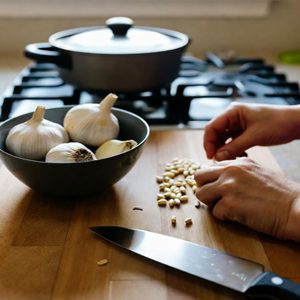
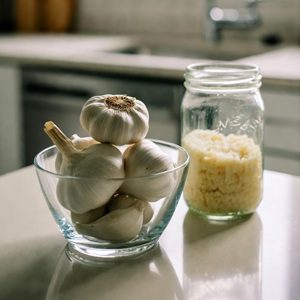
Start with basics: Crush or chop garlic and let it sit for 10-15 minutes to activate compounds, then add to salads, soups, or stir-fries. For breakfast, mix minced garlic into scrambled eggs or avocado toast. In lunches, try homemade salsa with raw garlic, tomatoes, and onions - great for dips or tacos. Dinner ideas include garlic-roasted vegetables, pasta sauces, or marinades for meat and fish. For variety, make garlic-infused oil by steeping cloves in olive oil, perfect for dressings.
Ferment garlic in honey for a sweet, immune-boosting tonic - eat a spoonful daily. In smoothies, blend a small clove with fruits to mask the taste. For gut health, add to fermented foods like sauerkraut.
If raw garlic is too strong, opt for aged garlic supplements, which are odourless and gentle on the stomach - doses up to 3600 mg daily are safe for most.
But consult a doctor if you're on blood thinners, as garlic can increase bleeding risk. Pregnant women and those with acid reflux should use moderation. To combat breath issues, chew parsley or drink milk afterwards.
Incorporate gradually: Begin with half a clove and build up. Grow your own where possible for fresh supply - plant in autumn for summer harvest. Overall, garlic fits easily into a balanced diet, enhancing both flavour and health.
Garlic's journey from ancient remedy to modern superfood is remarkable. Its benefits for heart, immune, and anti-inflammatory health are well-supported, while emerging research on dementia offers hope for brain protection. As science continues to uncover more, garlic remains a simple, effective ally for wellbeing.