Ginger: Health and Brain Protection

Ginger, known scientifically as Zingiber officinale, is a knobby rhizome that brings a zesty kick to dishes worldwide. More than a spice, this ancient root is loaded with bioactive compounds like gingerols, shogaols, and zingerone, which drive its potent anti-inflammatory, antioxidant, and digestive powers.
From easing tummy troubles to shielding the heart, ginger offers wide-ranging health boosts, all rooted in science. Lately, its promise for brain health - especially in warding off dementia has caught attention.
This section of Dementia Hub dives into ginger's top health perks, spotlighting its role in dementia prevention, a quick history of its medicinal past, and easy tips to weave it into your routine.
Ginger is a safe, tasty way to nurture your body and mind, blending old folklore with fresh research.


History of Ginger in Medicine
Ginger's tale as a healer stretches back over 5,000 years, starting in Southeast Asia where it grew wild.
Ancient texts from China around 3000 BCE first noted it as a fix for colds, fevers, leprosy, and tetanus, warming the body and clearing toxins.
In India, Ayurvedic writings like the Charaka Samhita (circa 300 BCE) hailed it as the "Great Cure" for digestion woes, joint pain, and boosting vitality - not as a cooking spice but purely medicinal.
By the 1st century CE, Greek physician Dioscorides documented ginger in his De Materia Medica, spreading its fame across the Mediterranean for stomach issues and as an aphrodisiac.
Romans traded it along spice routes, using it to fight nausea and inflammation.
In Iranian Traditional Medicine (ITM), scholars saw ginger's "hot and dry" nature as key to balancing humours, prescribing it for memory loss, paralysis, jaundice, and worms.
Traditional Chinese Medicine echoed this, blending it into tonics for impotence and "congealed coldness."
Through the Middle Ages, ginger guarded against plagues in Europe, often mixed into ales or poultices.
By the 19th century, Louis Pasteur spotlighted its antibacterial traits, and during the World Wars, it served as a wound healer when drugs were short. Today, ginger bridges eras: ancient healers prized it for holistic balance, while modern labs confirm its compounds' targeted actions, like curbing inflammation.
This enduring legacy cements ginger as a timeless tonic worthy of further research and hope.
Dementia Benefits of Ginger
Dementia, hitting over 55 million globally, erodes memory and thinking via inflammation, oxidative harm, and plaque build up.
Ginger steps up with brain-shielding tools, targeting Alzheimer's (AD) and vascular dementia (VD) in promising lab and animal work.
Core mechanisms: Ginger quells brain inflammation by blocking NF-κB and cytokines, key dementia drivers.
Its antioxidants mop up free radicals, hiking enzymes like SOD and CAT to fend off neuron death.
It nips amyloid-beta (Aβ) plaques - the AD hallmark via 6-shogaol, which halts aggregation and boosts clearance.
Cholinesterase blockers like zerumbone mimic drugs, preserving acetylcholine for sharper recall.
Plus, it curbs apoptosis and amps BDNF for new brain links.
Key compounds: 6-gingerol shields cells from Aβ toxicity; 6-shogaol tames microglia inflammation; zingerone dials down oxidative stress.
Evidence rolls in: In vitro, ginger extracts cut Aβ harm in SH-SY5Y cells and eased oxidative hits in HT22 neurons.
Animal models shine brighter—a 2024 study gave ginger to AD-like rats (via D-galactose and ovariectomy), boosting gut microbes and short-chain fatty acids for less hippocampal inflammation, fewer plaques, and better maze scores.
In APP/PS1 mice, 6-shogaol fixed memory gaps and trimmed tau tangles.
For VD, ginger combos cut stroke damage and boosted neuron density in rat brains.
Human data? Early but hopeful: Small trials link ginger to better cognitive scores in elders, via AChE inhibition like dementia meds.
A review flags it as a multi-target aid, but big trials are needed.
Ginger may also guard via heart perks, as vascular health ties to dementia.
Not a cure, but in a brain-boosting diet with exercise, it's a smart add.
Ginger: Other Health Benefits
Ginger's magic stems from its rich profile of phenols and oils, especially 6-gingerol, which sparks when the root is fresh or dried.
Backed by over 100 clinical trials, its perks shine in everyday woes.
Top of the list: fighting nausea. Ginger eases morning sickness in pregnancy, cutting symptoms by up to 50% in trials—safer than some drugs, with doses under 1.5g daily.
It also tames chemo-induced queasiness, though results vary with treatment intensity.
For motion sickness or post-op upset, it speeds gastric emptying to settle stomachs.
Next, its anti-inflammatory punch. Ginger dials down cytokines like TNF-α and IL-1β, easing arthritis pain as well as ibuprofen, per a review of six trials.
In osteoarthritis, 500-750mg daily over weeks boosts mobility and cuts swelling.
It also soothes menstrual cramps, matching NSAIDs in seven studies.
For metabolic health, ginger steadies blood sugar in type 2 diabetes, dropping fasting levels and HbA1c in five RCTs with 1-2g doses.
It trims "bad" LDL cholesterol and triglycerides while lifting HDL, slashing heart risks.
Weight watchers note modest losses in waist size from regular use.
Digestion gets a lift too: ginger revs gut motility, easing IBS bloating and IBD flares in reviews.
As a prebiotic, it feeds good bacteria for smoother bowels.
Antimicrobial traits zap bugs like E. coli and fungi, aiding immunity.
Cancer-wise, gingerols may curb cell growth in breast and colon tumours, per lab work, though human trials lag.
It even amps breast milk flow postpartum and fights heavy periods.
Side effects? Rare heartburn at high doses, but it's gentle overall.
Aim for 1-2g fresh daily for perks without pitfalls.
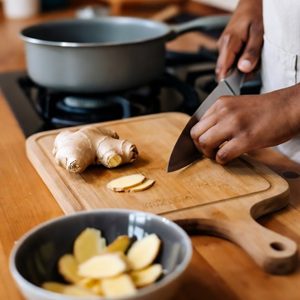
How to Incorporate Ginger into Your Lifestyle
Slipping ginger into your day is fun and flexible—fresh root packs max punch, but powder or tea works too. Target 1-4g daily (a thumb-sized piece) for benefits, starting low to dodge tummy twinges.
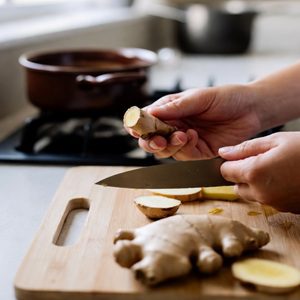
Fresh is best: Peel and grate, letting it sit 10 minutes to spark gingerol. Kick off mornings with ginger tea: Slice 1-inch fresh ginger, steep in hot water 5-10 minutes, add lemon or honey for zing. It curbs nausea and revs digestion.
For a shot, blend 1-inch ginger with lemon juice and water—gulp for an immune zap.
In meals, grate into stir-fries, curries, or soups for anti-inflammatory flair.
Breakfast boost: Mix into oats, smoothies (with banana and spinach), or avocado toast.
Lunch salads get spice from ginger dressing: Whisk grated root with oil, soy, and vinegar.
Bake or sip: Ginger cookies or muffins hide its heat in sweets; try ginger ale (homemade with fizzy water) for gut soothe.
Evening unwind: Infuse in broths or rice for dinner—pairs with fish or veg.
For brain focus, pair with turmeric in golden milk. Grow your own in pots for endless supply, or freeze grated portions. If raw's too sharp, capsules (500mg) suit travel.
Caution: Skip high doses if on blood thinners or pregnant beyond 1g. Chat with a doc for tweaks.
From ancient elixirs to lab-proven ally, ginger's fire fuels health across ages. Its wins against nausea, pain, and sugar spikes are solid, while dementia research hints at plaque-busting, neuron-saving power. Easy to sip or stir in, it spices life without fuss. No magic bullet, but alongside walks and puzzles, ginger guards your spark. As studies brew on, this root stays a wise, warming choice for vibrant days.