Ginseng: The Root to Wellbeing
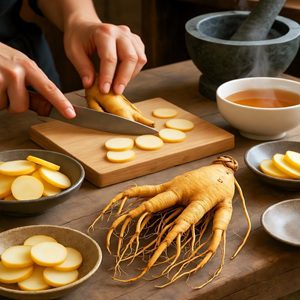
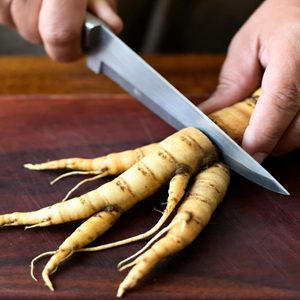
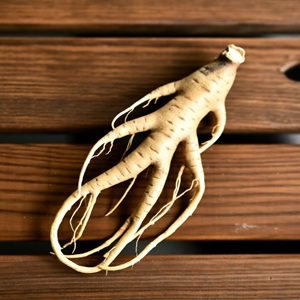
Ginseng, a revered plant with fleshy roots that resemble the human form, has captivated healers and scholars for millennia, earning its name from the Greek word "panax," meaning "all-healing," due to its wide-ranging reputed benefits.
Primarily, there are two main types used in medicine: Asian ginseng, also known as Panax ginseng or Korean ginseng, which thrives in cooler climates like those in China and Korea, and American ginseng, or Panax quinquefolius, native to North American forests and often considered milder in its effects. While Asian ginseng is typically seen as energising and warming, stimulating the body's "yang" energy in traditional terms, American ginseng is viewed as cooling and nourishing, supporting "yin" balance, with differences arising from their unique ginsenoside profiles - the active compounds responsible for many of their properties.
Both varieties are harvested for their roots after several years of growth to maximise potency, and they have been incorporated into teas, supplements, and foods across cultures. In recent years, research has explored ginseng's potential in supporting brain health, particularly in conditions like dementia, where cognitive decline poses significant challenges.
At Dementia Hub we delve into its historical roots as a herbal remedy, examines evidence on its role in dementia management, highlights additional health advantages backed by studies, and offers practical guidance on integrating it into everyday routines, all while emphasising a balanced, evidence-based approach without overstating claims.
Ginseng the Energy Powerhouse
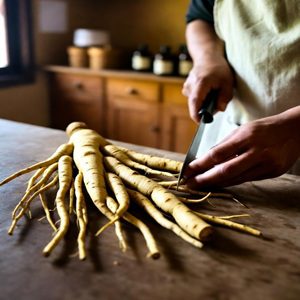
The story of ginseng as a herbal medicine stretches back over 5,000 years, beginning in the mountainous regions of Manchuria in China, where ancient foragers first discovered its knobby roots and began incorporating them into remedies for vitality and longevity. As evidenced by archaeological finds and early texts that describe it as a tonic capable of restoring balance to the body and mind.
One of the earliest written records appears in the Shen Nong Pharmacopoeia, compiled around 196 AD during China's Han Dynasty, which catalogues ginseng as a superior herb for replenishing vital energy, or "qi," calming the spirit, and extending life, reflecting its esteemed status among emperors and scholars who prized it for treating weakness, fatigue, and even as an aphrodisiac to enhance overall vigour.
In traditional Chinese medicine, practitioners classified it as an adaptogen - a substance that helps the body adapt to stress and maintain harmony - prescribing it for conditions ranging from digestive disorders to respiratory ailments. Often it was combined with other herbs in complex formulas to amplify its effects, a practice that underscores its role in holistic healing systems where the focus is on preventing illness rather than merely curing it.
As trade routes expanded, ginseng's fame spread to neighbouring regions; in Korea, it became a cornerstone of royal medicine by the Goryeo Dynasty around the 10th century, where red ginseng, processed through steaming and drying to enhance its potency, was developed and used to boost immunity during harsh winters. Historical accounts note its export to China as a valuable commodity that symbolised strength and resilience.
Japanese healers adopted it during the same era, integrating it into kampo medicine for similar purposes, while in ancient Egypt and among Native American tribes, related plants or imported varieties were employed for wound healing and energy restoration. American ginseng specifically gained prominence later when European settlers learned from indigenous peoples like the Cherokee and Iroquois, who used it to soothe fevers, improve digestion, and support women's health during childbirth.
By the 18th century, as global exploration intensified, American ginseng was exported en masse to Asia, creating a lucrative trade that nearly led to its overharvesting in the wild, prompting early conservation efforts and cultivation practices that continue today.
Throughout the Middle Ages into more recent times ginseng appeared in herbals influenced by returning travellers and scholars paving the way for its inclusion in Western pharmacopoeias by the 19th century, where it was recommended for nervous exhaustion and as a general stimulant during the Industrial Revolution's era of widespread fatigue.
This enduring legacy, spanning continents and centuries, illustrates how ginseng transitioned from a wild-harvested treasure to a cultivated staple in modern herbalism. It's ancient applications inspiring contemporary research that seeks to validate these time-honoured uses through scientific lenses, ensuring its relevance in today's health landscape where natural remedies are increasingly sought for their gentle, supportive qualities.
Slowing Cognitive Decline in Alzheimer’s
Emerging studies suggest that ginseng, with its rich array of ginsenosides acting as antioxidants and neuroprotectants, could offer supportive benefits in mitigating dementia symptoms and potentially slowing progression.
Research from 2025 highlights how Panax ginseng modulates amyloid-beta and tau pathology, hallmarks of Alzheimer's, by reducing plaque build up and hyperphosphorylation that disrupt neural communication. As demonstrated in animal models where ginsenosides like Rb1 and Rg1 enhanced cognitive performance by promoting neurogenesis and synaptic plasticity in the hippocampus, the brain region crucial for memory formation.
Clinical trials, including a systematic review and analysis published in 2025, indicate that regular ginseng consumption improves specific cognitive indicators, such as attention and executive function, in individuals with mild cognitive impairment or early-stage dementia. Participants reviewed showed better scores on standardised tests after 12-24 weeks of supplementation compared to placebo groups, though effects vary based on dosage and type.
Further, long-term observational studies reveal that lifetime cumulative intake of ginseng correlates with preserved episodic memory in older adults without dementia, suggesting a preventative role where its anti-inflammatory properties curb oxidative stress and microglial activation that accelerate neuronal loss.
For instance, a 2023 study found that ginseng users exhibited reduced risk of cognitive decline, attributing this to enhanced cerebral blood flow and modulation of the hypothalamic-pituitary-adrenal axis, which helps manage stress - a known exacerbator of dementia symptoms.
Red ginseng, in particular, has shown promise in reducing brain inflammation and amyloid-beta production, as noted in a 2025 blog on herbal medicine, potentially alleviating agitation and improving quality of life for patients.
Animal research supports this, with ginseng extracts reversing memory deficits in models of Alzheimer's by boosting acetylcholine levels and inhibiting cholinesterase, enzymes that break down this vital brain link required for learning.
While human trials are encouraging, such as those reporting up to 50% improvement in cognitive scores after consistent use, limitations persist, including small sample sizes and variability in ginseng preparations, necessitating larger, randomised controlled studies to confirm efficacy and optimal dosing.
Importantly, ginseng's adaptive nature may indirectly aid dementia by improving sleep quality and reducing anxiety, factors that influence brain health. It is important to note that ginseng should complement, not replace, conventional treatments, with consultations advised to avoid interactions with medications like blood thinners.
As of 2025, ongoing research continues to unravel these mechanisms, offering hope that this ancient root could become a valuable ally in holistic dementia care strategies.
Ginseng's Health Benefits+
Beyond its potential in brain health and fighting dementia, ginseng boasts a ton of additional benefits which are supported by scientific scrutiny, making it a versatile herb for overall wellness. For instance, it exhibits potent anti - inflammatory and antioxidant effects that bolster the immune system, helping to ward off infections and possibly lowering cancer risk through enhanced natural killer cell activity and apoptosis induction in malignant cells, as outlined in comprehensive reviews.
In cardiovascular realms, regular intake promotes vascular health by stimulating nitric oxide production, which dilates blood vessels, reduces blood pressure, and prevents platelet aggregation, thereby mitigating risks of heart disease and stroke, with studies showing improvements in endothelial function among hypertensive individuals.
For metabolic conditions like diabetes, ginseng aids in regulating blood sugar by enhancing insulin sensitivity and glucose uptake in cells, leading to lower fasting levels and better glycaemic control, as evidenced by meta-analyses of randomised trials where participants experienced significant reductions in HbA1c markers.
Its energising properties combat fatigue, particularly in chronic illnesses such as multiple sclerosis or cancer, where supplements have been linked to increased physical performance and reduced exhaustion through modulation of the stress response and ATP production in muscles.
Moreover, ginseng supports sexual health, improving erectile function and libido in men via improved blood flow and hormonal balance, while alleviating menopausal symptoms in women, such as hot flashes and mood swings, through oestrogen-like effects.
In mental health, it alleviates stress-related depression and anxiety by regulating cortisol and serotonin pathways, fostering a calmer state and better sleep, which in turn prevents degenerative brain changes.
Additional perks include anti-ageing benefits from its role in collagen synthesis and skin protection against UV damage, as well as liver support in recent trials showing improved function in fatty liver disease.
While generally safe, side effects like insomnia or digestive upset can occur, and precautions are needed for those on anticoagulants or with hormone-sensitive conditions due to potential interactions.
Add some Ginseng to your routine
Adding ginseng into your day to day lifestyle can be both easy and enjoyable, whether through culinary applications, supplements, or topical uses, allowing individuals to harness its benefits in ways that suit their lifestyle and preferences.
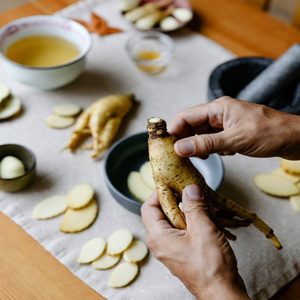
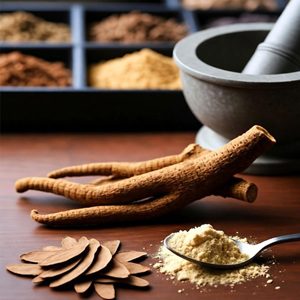
For starters, brewing a soothing tea by steeping sliced fresh or dried root in hot water for 5-10 minutes provides a gentle introduction, perhaps sweetened with honey to mask its earthy bitterness, and consumed in the morning to kickstart energy levels or in the evening for relaxation, with recommendations suggesting 1-2 grams daily for general wellbeing.
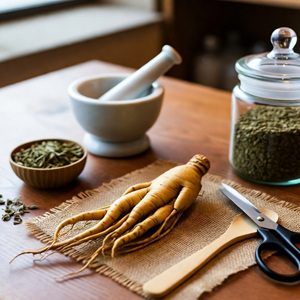
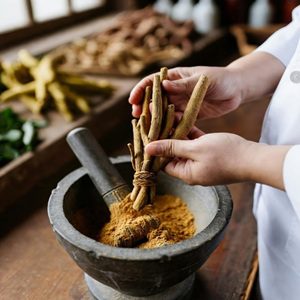
In cooking, adding powdered ginseng to smoothies blended with fruits, yoghurt, and nuts enhances nutritional value without overpowering flavours, or incorporating whole roots into soups and stews, like chicken broth simmered slowly to infuse restorative qualities, drawing from traditional Asian recipes that pair it with dates and ginger for added depth.
For those preferring convenience, capsules or tablets standardised to 200-400 mg of extract offer precise dosing, ideal for busy schedules, taken with meals to minimise stomach upset, and cycled with breaks every few weeks to prevent tolerance.
Topical applications, such as creams infused with ginseng for skin rejuvenation or oils for massages to relieve tension, extend its use beyond ingestion, while adding it to beverages like coffee or even cocktails provides a modern twist.
Growing your own in shaded garden spots fosters a personal connection, ensuring freshness, but always consult healthcare providers to tailor usage, especially if pregnant or on medications, starting low to monitor effects.
Ginseng stands as a testament to nature's enduring gifts, bridging ancient wisdom with modern science in its multifaceted support for health. From potentially safeguarding against dementia's ravages through neuroprotective actions to enhancing vitality across bodily systems.
Its historical journey from sacred Chinese tonic to global supplement underscores a legacy of resilience and adaptation, while contemporary studies affirm benefits in immunity, metabolism, and mental clarity, though mindful use is key to avoid rare side effects.
By weaving it into teas, meals, or routines, one can embrace its gentle power, always in harmony with professional guidance for optimal results in a world seeking natural paths to wellbeing.