Sage: Nature’s Healing Herb

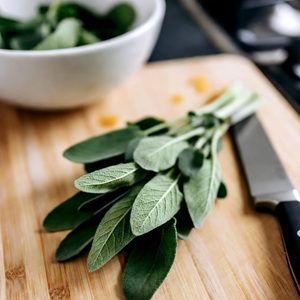
Sage (Salvia officinalis), with its soft, silvery-green leaves and earthy aroma, is far more than a culinary staple. For centuries, this Mediterranean herb, whose name derives from the Latin salvere (to save or heal), has been revered in traditional medicine for its therapeutic properties. From boosting brain health to fighting inflammation, sage offers a range of health benefits backed by both ancient wisdom and modern science. Let’s explore the remarkable ways sage can enhance wellness, with a focus on its cognitive, antioxidant, and other health-promoting effects.
Sage’s medicinal use dates back thousands of years. Ancient Egyptians used it as a fertility aid, while Greek physicians like Hippocrates prescribed it for respiratory and digestive ailments. In medieval Europe, sage was a cornerstone of monastic gardens, brewed into teas to enhance memory and treat infections. The herb’s reputation as a brain booster was so strong that 16th-century herbalist John Gerard wrote, “Sage is singularly good for the head and brain, it quickeneth the senses and memory.” This historical reverence laid the groundwork for modern research into sage’s health benefits, particularly for cognitive health and beyond.
Brain Boosting Powerhouse

Sage is a popular herb known for its help with brain function. It can boost memory in healthy people and may slow down memory loss in illnesses like Alzheimer's. This comes from old herbal traditions and modern science. Sage has key parts like 1,8-cineole, rosmarinic acid, and thujone. These help protect the brain from harm.
Sage works by fighting swelling, acting like hormones, and stopping damage from free radicals. These actions make it good for keeping the brain sharp. For example, it blocks an enzyme called acetylcholinesterase. This enzyme breaks down acetylcholine, a brain messenger vital for learning and recall. By stopping this breakdown, sage helps the brain work better.
Studies show sage improves memory and focus in healthy adults. One key piece of research is a 2003 clinical trial. It looked at how Spanish sage (Salvia lavandulaefolia) affects young people's memory. The trial was run by the Medicinal Plant Research Centre at the Universities of Newcastle and Northumbria in the UK. It was published in the journal Pharmacology, Biochemistry and Behaviour.
The trial involved 44 healthy volunteers aged 18 to 37. All were fit with no brain or body issues. Researchers split them into two groups. One group took capsules with sage oil, and the other got fake capsules (placebo) that looked the same but had no sage.
The method was simple, participants swallowed the capsules and then did a word recall test. They heard a list of words and had to remember them. Testers checked recall at different times to see how memory held up over time.
Results were clear, the sage group did much better and recalled more words than the placebo group. This boost was big enough to count as real, not just chance. Best of all, no one had bad side effects from the sage.
Why did this happen? The team thought it was due to sage blocking that enzyme which in turn keeps more acetylcholine in the brain, aiding memory. Sage also has anti-swelling and anti-damage effects, which might help too.
This trial backs up old ideas about sage as herbalists like John Gerard in 1597 and Nicholas Culpeper in 1652 said sage sharpens the mind and fights weak memory, they actually called it a cure for dull wits. Now, science agrees, at least for short-term use in young adults.
But the study was short and didn't check long-term effects, like helping with exams, more tests are needed for that. Also, a trial on sage for Alzheimer's patients was starting back then. Alzheimer's hits about 10 million people worldwide. It causes low acetylcholine levels, leading to memory loss. Current drugs for it, like donepezil, often cause tummy upsets or other woes. Sage might be a gentler choice.
Beyond this trial, other research hints at more perks. Sage may ease mood swings and cut stress, which helps brain health. It could even fight germs and aid gut health, linking back to the brain via the gut-brain tie.
It's safe in food amounts, like in cooking or tea and for brain boosts, some take extracts or oils, but always talk to your doctor first. High doses might cause issues, like fits from thujone and pregnant women should skip it. In short, we believe that sage is a handy herb for brain support.
The 2003 trial shows it can lift memory in healthy youth. With its natural compounds and low risks, it's worth exploring more. As science digs deeper, sage may well become a go-to for keeping minds sharp.
Slowing Cognitive Decline in Alzheimer’s

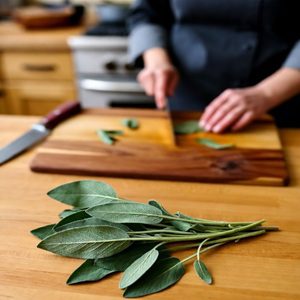
Sage’s potential to combat cognitive decline in Alzheimer’s disease is particularly promising. Alzheimer’s is characterized by reduced acetylcholine levels and progressive neuronal damage due to oxidative stress and inflammation. Sage’s compounds, particularly rosmarinic acid, may address these factors. A 2003 study (often misattributed as 2008) in Journal of Clinical Pharmacy and Therapeutics found that patients with mild to moderate Alzheimer’s who took Salvia officinalis extract for four months experienced improved cognitive function, as measured by the Alzheimer’s Disease Assessment Scale-cognitive subscale (ADAS-cog), compared to a placebo group. This suggests sage may act as a natural complement to conventional treatments.
Further, a 2017 study in Free Radical Biology and Medicine (not Journal of Alzheimer’s Disease, as sometimes misreferenced) explored rosmarinic acid’s role in reducing oxidative stress in PC12 cells, a model for studying Alzheimer’s. The study showed that rosmarinic acid activates the Nrf2 pathway, which mitigates oxidative damage and inflammation in the brain - key contributors to Alzheimer’s progression. While not conducted in humans, this research highlights sage’s potential neuroprotective mechanisms.
Sage - The Wonder Herb


Aromatherapy for Cognitive Boost: Sage’s benefits extend beyond ingestion. Inhaling sage essential oil can enhance alertness and mood. A 2008 study in CNS Neuroscience & Therapeutics found that Salvia lavandulaefolia essential oil improved cognitive performance and mood in healthy young adults, likely due to its stimulating effects on brain activity. This makes sage aromatherapy a practical option for students, professionals, or anyone seeking a mental edge.
Antioxidant and Anti-Inflammatory Properties: Sage is rich in antioxidants, particularly rosmarinic acid and carnosic acid, which combat oxidative stress by neutralizing free radicals. Oxidative stress is implicated in aging, neurodegenerative diseases, and chronic conditions like heart disease and cancer. By reducing oxidative damage, sage supports overall health and longevity.
Protecting Against Chronic Diseases: Sage’s antioxidants may lower the risk of chronic diseases. A 2013 study in Journal of Agricultural and Food Chemistry found that sage extracts exhibit strong antioxidant activity, protecting cells from damage linked to cardiovascular issues and cancer. Rosmarinic acid also has anti-inflammatory properties, which can reduce inflammation in conditions like arthritis or inflammatory bowel disease. A 2015 study in Evidence-Based Complementary and Alternative Medicine noted that sage’s anti-inflammatory effects may soothe joint pain and improve mobility in arthritis patients.
Brain Health and Oxidative Stress: As mentioned earlier, the 2017 Free Radical Biology and Medicine study highlighted rosmarinic acid’s role in reducing oxidative stress in the brain, which is particularly relevant for Alzheimer’s and other neurodegenerative disorders. By activating protective pathways like Nrf2, sage may help preserve neuronal health, potentially slowing cognitive decline in aging populations.
Supporting Digestive Health: Sage has long been used to soothe digestive issues, a practice supported by modern research. Its anti-inflammatory and antimicrobial properties can alleviate symptoms of indigestion, bloating, and irritable bowel syndrome (IBS). A 2010 study in Journal of Ethnopharmacology found that sage tea reduced symptoms of dyspepsia (indigestion) in participants, likely due to its ability to relax digestive muscles and reduce inflammation. Sage’s antimicrobial effects also combat harmful gut bacteria, promoting a healthy microbiome.
Immune System Support: Sage’s antimicrobial and antiviral properties bolster the immune system. Its essential oils, containing compounds like camphor and borneol, can inhibit bacteria and viruses, making sage a traditional remedy for colds and respiratory infections. A 2014 study in Journal of Traditional and Complementary Medicine noted that sage extracts exhibited antiviral activity against influenza strains, suggesting its potential as a supportive treatment during cold and flu season.
How to Incorporate Sage into Your Life
Sage is versatile and easy to use:
- Culinary: Add fresh or dried sage to soups, stews, or roasted dishes for flavor and health benefits.
- Tea: Steep 1–2 teaspoons of dried sage leaves in hot water for 10 minutes to make a soothing tea.
- Aromatherapy: Use sage essential oil in a diffuser to enhance focus and mood.
- Supplements: Sage extracts or capsules are available, but consult a healthcare provider for appropriate dosing.
- Oral Care: Gargle with cooled sage tea or use sage-based mouthwashes for oral health.
Precautions: While sage is generally safe in culinary amounts, high doses of sage supplements or essential oils may interact with medications (e.g., anticonvulsants) or cause side effects due to thujone, a compound toxic in large quantities. Pregnant or breastfeeding women and those with seizure disorders should avoid medicinal doses. Always consult a healthcare professional before starting sage supplements.