What is Dementia




Dementia is not one specific illness but a general term for a group of symptoms caused by various brain disorders that gradually worsen over time. It affects memory, thinking, behaviour, and the ability to carry out everyday tasks, making life increasingly difficult.
Unlike the occasional forgetfulness that can come with normal ageing (like misplacing keys now and then), dementia involves serious, ongoing problems that interfere with independence. Whilst there is no cure yet, early diagnosis, support, and some treatments can help people live better for longer.
As of mid 2026, dementia affects more than 57 million people worldwide, with Alzheimer’s disease causing 60 to 70% of cases. The World Health Organization (WHO) and experts predict this could rise to 78 million by 2030 and over 139 million by 2050, mainly because people are living longer in many countries.
New cases appear at an alarming rate of about one every three seconds globally with women making up around two thirds of those affected, mostly because they tend to live longer than men, giving more time for the condition to develop.
In the UK, estimates show about 982,000 to 1 million people living with dementia in 2026, projected to reach 1.4 million by 2040. Most cases occur after age 65, but young onset dementia (starting before 65) affects tens of thousands in the UK with over 70,000 affected, often in their 40s or 50s.
Both in the UK and Globally, age is the biggest risk factor with the chances of developing dementia roughly doubling every five years after the age of 65. New estimates show that about 1 in 11 people over 65 and 1 in 6 over 80 are affected.
Dementia mainly strikes older adults, but it's not a normal part of ageing and many people reach their 90s without it. Risk starts rising noticeably after 65, and most cases (over 95%) are in this age group. Young onset dementia is rarer (up to 9% of cases globally), but it can begin as early as 30, often due to genetic factors or other conditions like frontotemporal dementia.
In the UK, diagnosis rates are broken down as England 66.3% (aged 65+) in December 2025 and March 2026, Wales about 57%, Northern Ireland about 58%. About one third of people with dementia in England still have no diagnosis.
Dementia happens when brain cells (neurons) get damaged or die faster than normal, breaking the connections that allow thinking and memory to work properly.
Different types cause damage in different ways: in Alzheimer’s (the most common), sticky protein clumps called amyloid plaques build up outside cells, and twisted tau proteins form tangles inside, disrupting signals and causing inflammation. Areas like the hippocampus (key for new memories) are hit first, explaining how memory loss is one of the first symptoms.
In vascular dementia, poor blood flow from strokes or vessel problems starves the brain cells of oxygen. Other types affect movement, behaviour, or language first. Over time, brain regions shrink, leading to wider problems.
Symptoms vary by type and person, but common early signs include: forgetting recent events whilst older memories often stay crystal clear, struggling with familiar tasks like cooking or driving, getting lost in known places, and mood changes, withdrawal, or confusion about time.
Later stages bring severe confusion, difficulty speaking or swallowing, and needing full time care. Behavioural changes like agitation often occur and this can be due to frustration or fear rather than the person "being difficult." Wandering is a commonly reported symptom of dementia and can lead to worry for carers due to the safety risks involved.
Dementia slowly erodes key thinking skills: short term memory generally fades first, making it hard to learn new things or plan. Reasoning, judgement, and problem solving can noticeably weaken, for example someone might struggle with money or decisions when they have been astute all their life.
Language problems can emerge, like finding words or keeping in focus with conversations. Attention spans can reduce, and spatial awareness suffers (for example judging distances). In advanced stages, even recognising loved ones or basic self care becomes a challenge, although emotions often remain strong.
Living with dementia is tough, but there are many strategies that can help maintain quality of life. Practical tips include routines for familiarity, simple reminders (calendars, labels), safe home adjustments (good lighting, clear paths), and activities like music or walks that bring joy and a feeling of independence.
Person centred care focusing on the individual's preferences and strengths is key for coping. Medicines can ease some symptoms (like sleep issues), and therapies like speech or occupational help.
In the UK there are many support networks, including Charities, Government led organisations and the private sector. Commonly used support networks include Admiral Nurses (specialist dementia nurses via Dementia UK), Alzheimer's Society helplines, carer groups. These can also provide basic advice on benefits like Attendance Allowance , Carer's Allowance and Carer's Credit that may provide assistance to those in a caring capacity. Day centres, respite care, and dementia-friendly communities also provide respite breaks.
Globally, the World Health Organisation promotes the benefits of carer support and ongoing risk reduction. Many countries offer similar helplines and groups, though access varies with lower income areas often rely more on family.
Emotional coping involves accepting changes gradually, seeking counselling for grief, and connecting with others through forums or support groups. Carers should prioritise their health with regular breaks, exercise, and talking to reduce burnout.
Dementia presents big challenges, but understanding it, seeking early help, and strong support networks allow many to live meaningfully. Ongoing research into prevention (up to 45% of cases may be delayable via healthy habits) and new treatments bring hope for the future. If you or someone close shows signs of dementia, always talk to your GP, early steps have proven to make a difference.



Dementia Causes and Risk Factors
Dementia doesn't have one single cause, it's triggered by several different diseases and conditions that damage brain cells over a period of time, making it harder for the brain to work properly. The most common type is Alzheimer's disease, which causes 60 to 70% of all dementia cases worldwide and also in the UK.
In Alzheimer's, harmful sticky clumps called amyloid plaques build up outside brain cells, while twisted strands of tau protein form tangles inside them. These disrupt communication between cells, cause inflammation, and eventually kill off neurons (brain cells). The damage often starts in areas handling memory, spreading to regions for planning, language, and behaviour.
The second most common is vascular dementia (about 10 to 20% of cases), caused by reduced blood flow to the brain from strokes, mini strokes, or damaged blood vessels often linked to heart problems like high blood pressure or diabetes.
Other types include Lewy body dementia (abnormal protein deposits affecting movement, sleep, and thinking, around 10 to 15% of cases) and frontotemporal dementia (degeneration in the front and sides of the brain, causing personality changes and language issues, rarer at 5% or less). Mixed dementia (usually Alzheimer's plus vascular) is common, especially in older people.
Some causes can't be changed, such as age (the biggest risk doubling every five years after 65) or genetics (rare inherited mutations guarantee early onset in a tiny percentage; common genes like APOE-e4 just raise risk).
But many risks can be influenced, and studies show tackling them could prevent or delay up to 45% of cases.
Researchers have run large reviews and long term studies to pinpoint risks. The landmark 2020 Lancet Commission report analysed hundreds of studies worldwide and identified 12 modifiable risk factors (things we can change) responsible for about 40% of dementia cases.
These span life stages
- Early life: Less education (not finishing secondary school).
- Midlife (around 40 to 60): Hearing loss, high blood pressure, obesity, excessive alcohol (more than 21 units per week), head injuries, and air pollution.
- Later life (over 65): Smoking, depression, social isolation, physical inactivity, and diabetes.
An updated 2024 Lancet Commission added two more - untreated vision loss and high L.D.L. cholesterol (the "bad" type) raising the preventable estimate to 45%.
The famous FINGER study (Finland, 2010's) tested a multi-change approach (better diet, exercise, brain training, vascular checks) in at risk older adults - it improved or maintained thinking skills, proving combined changes can and do work. Similar trials worldwide (World-Wide FINGERS network) have confirmed the benefits, especially so in diverse groups.
No guaranteed prevention exists, but evidence strongly supports healthy habits reducing risk. Eat a balanced pattern like the Mediterranean or MIND diet (lots of vegetables, fruits, wholegrains, fish, nuts, olive oil and limit red meat, sweets, fried foods). These provide antioxidants and anti-inflammatories that protect brain cells and studies link these to slower cognitive decline.
Aim for 150 minutes moderate activity weekly (brisk walking, swimming, cycling) plus strength training. Exercise boosts blood flow to the brain, grows new cells, reduces inflammation, and helps control weight and correct blood pressure. Reviews show regular movers have up to 20 to 30% lower risk; even light activity helps.
Keep the brain active with puzzles, reading, learning new skills, or social hobbies. "Use it or lose it" mental stimulation builds "cognitive reserve," helping the brain cope better with damage. Combined with physical/social activity (dancing, classes), it's powerful. Here at Dementia Hub we have lots of free cognitive games that can be accessed freely so check them out.
Many herbs and spices also show promise in lab and animal studies for anti-inflammatory and antioxidant effects, potentially protecting against plaque build-up and / or cell damage. Turmeric (curcumin) is most studied as low Alzheimer's rates in curry eating regions sparked interest. Lab tests show curcumin reduces plaques and inflammation; small human trials suggest better memory in older adults, but the evidence is mixed and larger trials are needed. Ginger, cinnamon, saffron, and rosemary have similar properties; reviews indicate they inhibit harmful proteins or boost brain chemicals, but mostly early stage research.
These causes and risks highlight dementia isn't always inevitable as many factors are within personal control. The Lancet reports and trials like FINGER do offer hope by addressing modifiable risks through lifestyle could delay or prevent millions of cases, improving lives globally. Start by making small changes today; it's never too late (or early)!
Types of Dementia
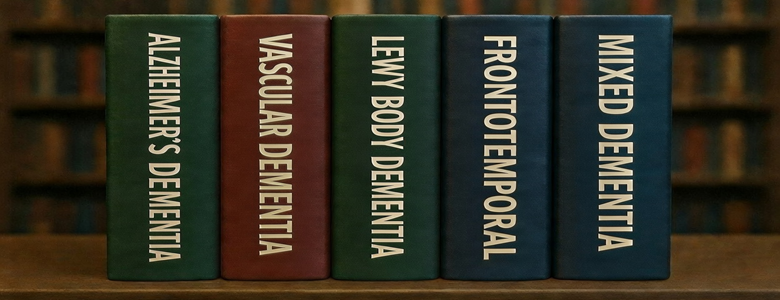
Dementia comes in several different types, each caused by unique changes in the brain that lead to a decline in memory, thinking, behaviour, and daily functioning.
While the overall patterns are similar worldwide and in the UK, the exact percentages can vary slightly depending on studies and how cases are diagnosed (often through brain scans or post mortem examinations). The most reliable figures come from organisations like the Alzheimer’s Society and the World Health Organization.
Globally and in the UK, Alzheimer’s disease is by far the most common type, making up 60 to 70% of all dementia cases. Vascular dementia is usually second at 10 to 20%, followed by overlaps and rarer forms.
Most people receive a dementia diagnosis in their late 70s or 80s, but this varies by type as rarer forms often appear earlier.
Alzheimer’s Disease
This is the most common form of dementia, responsible for 60 to 70% of cases both globally and in the UK. It starts slowly, often with mild memory lapses (like forgetting recent conversations or names), and gradually worsens. People may become disoriented in familiar places, struggle with planning or problem solving, have trouble finding words, or experience mood changes. Over time, typically 8 to 10 years from diagnosis, these issues affect language, judgement, and even basic tasks like dressing or eating. The brain changes involve sticky amyloid plaques building up outside cells and tangled tau proteins inside, mainly damaging areas for memory and learning first. Average age of diagnosis is usually late 70s to mid 80s, though in rare inherited cases it can start much younger.
Vascular Dementia
This accounts for 10 to 20% of cases (sometimes quoted as around 17% in UK studies). It happens when blood flow to the brain is reduced, often from strokes, mini strokes, or narrowed vessels linked to conditions like high blood pressure, diabetes, or heart disease. Symptoms include slowed thinking, difficulty concentrating or planning, problems with attention, and sometimes physical issues like walking troubles. Unlike Alzheimer’s steady decline, vascular dementia can worsen in sudden "steps" after new strokes, though it may stabilise in between. Average diagnosis age is similar to Alzheimer’s, often mid 70s to 80s, but it can occur earlier if someone has multiple strokes young.
Dementia with Lewy Bodies
This makes up 5 to 15% of cases (10 to 15% in recent updated estimates). Lewy bodies are abnormal clumps of alpha synuclein protein that disrupt brain chemicals, affecting movement, sleep, and thinking similar to Parkinson’s disease (many people have overlapping symptoms). Key signs include vivid visual hallucinations (seeing things that aren't there), fluctuating alertness (good days and bad), Parkinson like tremors or stiffness, and disturbed sleep (acting out dreams). Memory problems may not be the first symptom. It often overlaps with Alzheimer’s or Parkinson’s dementia. Average age of diagnosis is typically 70s to early 80s, though it can start earlier.
Frontotemporal Dementia (FTD)
This is rarer, at less than 5% of all cases (around 2 to 5%), but more common in younger people. It affects the front and sides of the brain, leading to big changes in personality, behaviour, or language early on. People might become impulsive, lose empathy, say inappropriate things, or struggle with speaking and understanding words, despite these symptoms memory can often stay relatively good at first. There are subtypes: behavioural variant (personality shifts) and primary progressive aphasia (language issues). Frontotemporal Dementia is one of the most common causes of young onset dementia. Average diagnosis age is younger often 45 to 65 years, with many in their 50s.
Mixed Dementia
This isn't always counted separately but is very common, especially in older adults, up to 10 to 20% or more when including overlaps. It means someone has features of two or more types, most often Alzheimer’s plus vascular dementia. Brain scans or autopsies often reveal both plaque, tangle changes and vessel damage. Symptoms combine those from each type, making diagnosis trickier. Average age tends to be 80s, as it's more frequent in the oldest groups.
Rare Forms
These make up the remaining 5 to 10% or less. Examples include: Posterior cortical atrophy (rare Alzheimer’s variant affecting vision or spatial skills first), Creutzfeldt Jakob disease (very rare, rapid prion disease), Alcohol related dementia, Dementia linked to conditions like Huntington’s or HIV.
Some are progressive and fast (months to years), others possibly tied to treatable causes. Ages vary widely, some rare genetic forms start in 30s or 40s. Young onset dementia (symptoms before 65) affects over 70,000 people in the UK (7 to 9% of total cases), often Frontotemporal, Alzheimer’s, or other rarer types.
Understanding the type helps doctors predict progression, suggest support (like speech therapy for language issues or movement aids for Lewy body), and offer tailored advice for families.
Diagnosis usually involves memory tests, scans, and ruling out other causes with recent developments in blood tests trials for which the NHS is hopeful of roll out in 2029. Early input from specialists improves accuracy and can provide fast access to any help available. Whilst dementia brings difficult and emotional challenges for all involved, many live meaningfully with the right support, and research continues for better management.
Symptoms and Progression
Dementia progresses differently for everyone depending on the type, overall health, age at diagnosis, and support received but experts often describe it in three main stages: early (sometimes called mild), middle (moderate), and late (severe). These stages help families and doctors understand what might happen and plan care accordingly.
The timeline varies widely: for Alzheimer’s disease (the most common type), people often live 8 to 10 years after diagnosis on average, though some manage 20 years or more with good care, while others progress faster. The early stage might last about 2 years, the middle stage 2 to 4 years (often the longest), and the late stage 1 to 2 years or longer. Symptoms can overlap, and not everyone experiences everything in the same order.
Early Stage (Mild Dementia)
In the early stage, symptoms are often subtle and easy to brush off as normal ageing or stress. Many people still live independently, work, drive, and enjoy hobbies, but they (or close family) start noticing small changes that affect daily life a bit. Common signs include forgetting recent conversations or events (while older memories stay sharp), repeating questions, misplacing items more often (like keys or glasses), struggling to find the right words, taking longer to plan or solve problems (such as managing bills or following recipes), getting confused about dates or times, mild mood swings like feeling anxious or withdrawn, or slight trouble with judgement (like falling for scams more easily). People might feel frustrated or deny issues, but with support - like reminders, routines, or simple aids they can maintain a good quality of life. This is the best time for diagnosis, as early help (medication for some types, lifestyle changes, planning finances or legal matters) can slow things and keep independence longer. Family members often spot these changes first, and getting a professional assessment brings clarity and access to services.
Middle Stage (Moderate Dementia)
The middle stage is usually the longest and brings more noticeable challenges, as brain damage spreads and affects more daily activities. People need increasing help at home, though many still recognise loved ones and enjoy familiar routines. Symptoms build on early ones: memory loss worsens, forgetting personal history or names of family, growing confusion, getting lost in familiar places, mixing up day and night ("sundowning"), agitation in evenings, difficulty with tasks like cooking, shopping, dressing appropriately, or handling money, language problems, struggling to follow conversations, repeating stories, or using wrong words, behavioural changes, agitation, restlessness, wandering, suspicion and paranoia, or repeating actions, sleep disturbances, and sometimes hallucinations (more common in Lewy body dementia). Physical abilities are usually okay at first, but coordination might slip. This stage can be tough for carers especially as people may resist help, leading to frustration on both sides. Safety becomes key (removing hazards, supervision). Support like day centres, home care, or respite breaks helps. Medicines can ease symptoms like anxiety, and activities (music, gentle exercise) bring joy and calm. With patient, person centred care, focusing on what the person still enjoys and can do many maintain meaningful connections.
Late Stage (Severe Dementia)
In the late stage, dementia severely impacts most aspects of life, and people need full-time care, often in a specialist home or with round-the-clock support. Communication and physical abilities decline a lot, though emotions and responses to touch or voice often remain. Severe memory loss means not recognising close family or understanding where they are; very limited speech (perhaps a few words, groans, or none at all - though non-verbal cues like smiles matter); complete help needed for eating, washing, dressing, toileting; mobility issues (difficulty walking, eventually bedbound, risking pressure sores); swallowing problems (raising choking or infection risks, like pneumonia - a common final complication); vulnerability to infections, pain that's hard to express, and weight loss. Mood can fluctuate, some seem peaceful, others distressed. This stage focuses on comfort, dignity, and quality of life: pain relief, gentle touch, favourite music, familiar voices. Carers watch for non verbal signs of needs. Life expectancy here is shorter (often 1 to 2 years, but varies), and end of life planning (advance wishes) ensures respect for the person's values.
Dementia stages aren't rigid as progression depends on the type (vascular can be stepwise, Lewy body fluctuating), and good care, health management, and emotional support make a big difference. If concerned, see a GP early, understanding the stage guides the best help. Organisations like Alzheimer's Society or Dementia UK offer brilliant advice tailored to each step.
Dementia Diagnosis
Diagnosing dementia is a careful, step by step process that usually starts when someone, or their family, notices ongoing problems with memory, thinking, or behaviour that go beyond normal forgetfulness. It's not a quick single test like checking blood pressure; instead, it involves talking to doctors, doing assessments, and sometimes scans or blood tests to rule out other causes and confirm what's happening in the brain.
The goal is to get an accurate picture as early as possible, so people can access support, plan for the future, and sometimes start treatments that help manage symptoms.
Starting with Your GP (Family Doctor)
The journey often begins at your local GP surgery. You (or a relative) might book an appointment because of concerns like repeatedly forgetting recent events, getting lost in familiar places, struggling with everyday tasks (such as paying bills or cooking), or noticeable mood changes. The GP will have a gentle chat about these issues, ask about your medical history, any medicines you're taking, and how symptoms affect daily life. They'll also check for other common problems that can mimic dementia, like depression, anxiety, thyroid issues, or side effects from medications.
To get a clearer idea, the GP usually does a simple cognitive assessment right there in the surgery. Common ones include the Mini-Mental State Examination (MMSE) or the shorter 6 Item Cognitive Impairment Test (6CIT) or General Practitioner Assessment of Cognition (GPCOG). These involve easy questions like "What day is it?", recalling a short list of words, drawing a clock face, or basic maths. They take just 5 to 10 minutes and give a quick score to spot potential problems. The GP might also do basic physical checks (blood pressure, hearing) and simple blood tests to rule out things like infections or vitamin shortages.
If the results suggest something more than normal ageing, the GP will refer you to a specialist service, usually a memory clinic (also called a memory assessment service or cognitive disorders clinic).
At the Memory Clinic
Memory clinics are run by teams of experts, including old age psychiatrists, neurologists, geriatricians (doctors specialising in older people), psychologists, and specialist nurses. They offer a more thorough assessment over one or several appointments.
You'll have detailed cognitive and neuropsychological tests longer and more in depth than the GP's, checking memory, language, planning, attention, and spatial skills. These help pinpoint which parts of thinking are affected and how severely. The team will talk in depth with you and usually a family member about how symptoms started and progressed, daily challenges, and any family history of dementia.
Blood tests are routine to exclude reversible or treatable causes, things like low vitamin B12 or folate, thyroid problems, infections, liver, or kidney issues that can cause confusion. In some cases, specialists arrange brain scans:
- CT (computed tomography) scans are common on the NHS, quick and good at spotting strokes, tumours, or bleeding.
- MRI (magnetic resonance imaging) gives clearer pictures of brain shrinkage (atrophy) or vascular damage.
- SPECT or FDG PET scans look at blood flow or brain activity, helpful for tricky cases like frontotemporal or Lewy body dementia.
Newer amyloid PET scans (detecting Alzheimer’s plaques) or lumbar punctures (spinal taps for cerebrospinal fluid biomarkers) are used more now for research or uncertain diagnoses, though NHS availability varies by region.
The specialist team reviews everything and gives a diagnosis often a specific type like Alzheimer’s or vascular dementia, or sometimes "mild cognitive impairment" if changes are early and not yet severely impacting life.
Why Early Diagnosis Matters
Getting a diagnosis as soon as possible is really important for several reasons. First, it opens the door to support and treatments straight away, medications like donepezil or memantine can help manage symptoms in Alzheimer’s, while controlling blood pressure or cholesterol slows vascular types. Early knowledge lets people plan ahead while they still can: sorting legal matters like lasting power of attorney (so trusted people can make decisions later), writing advance care plans, or adapting homes for safety. It reduces worry from uncertainty, many fear the worst without knowing, and a clear explanation brings relief and practical help.
Early diagnosis connects you to services like memory cafés, support groups, Admiral Nurses (specialist dementia nurses), or benefits advice, improving quality of life and reducing isolation.
For families, it helps them understand changes aren't "just stubbornness" and learn how to communicate and support better, easing stress. Research shows early intervention can delay the need for care homes and keep independence longer.
In the UK, NHS England has a target of diagnosing at least two thirds of estimated cases, up from lower rates in previous years meaning efforts continue to train GPs, reduce waiting times, and make memory services more accessible. If you notice worrying changes in yourself or a loved one, don't wait, book that GP appointment. Early steps make a real difference in living well with dementia.
Individual and Societal Impacts
Dementia has a deep and wide-reaching effect on individuals, families, communities, healthcare systems, and economies in the UK, across Europe, and around the world. As more people live longer, the number of those affected grows, bringing emotional heartbreak, practical challenges, and heavy financial pressures. While the condition creates huge difficulties, increased awareness, better support for carers, and efforts to prevent or delay it through healthy living offer hope for easing some of the burden.
For the person with dementia, the condition often means gradually losing independence starting with small memory slips and progressing to needing help with everyday tasks like cooking, dressing, or managing money. This can lead to frustration, confusion, anxiety, and a sense of losing one's identity or role in life. Many feel isolated as social activities become harder, relationships change, or they withdraw due to embarrassment. In later stages, severe confusion, difficulty communicating, and physical dependence add to the distress, though moments of joy and connection can still happen with the right care. The impact on families and carers is equally profound and in the UK alone over 700,000 unpaid carers (mostly family members) support someone with dementia, often juggling this with work, their own health, or raising children. Carers frequently experience high stress, exhaustion, depression, and anxiety - studies show up to 90% face emotional crises at some point. They grieve the changes in their loved one while managing challenging behaviours like agitation or wandering. Financial worries add pressure, as many reduce work hours or quit jobs. Similar patterns appear across Europe and globally, where women provide about 70% of informal care hours, facing greater risks of burnout, isolation, and long-term health issues. In lower-income countries, families bear even more without formal support, leading to poverty cycles.
Individuals and families often face significant out of pocket expenses. In the UK, people with dementia and their families cover around 63% of total costs - estimated at over £100,000 lifetime per person on average, including private care, home adaptations, lost earnings, and extras like transport or legal fees. Annual per person costs vary by stage: around £28,700 for mild, rising to £80,500 for severe dementia. Across Europe, personal costs differ by country often higher in northern / western nations due to care fees, but informal care burdens everyone. Out of pocket direct costs average hundreds to thousands of euros yearly. Globally, families in lower income countries pay relatively more from limited incomes, often sacrificing essentials.
Carers reducing work or leaving jobs causes major productivity hits and in the UK this contributes billions annually in lost earnings and taxes, part of the broader £42 billion total dementia cost. Many of the 700,000+ carers are working age, leading to absenteeism, presenteeism (lower productivity at work), and early retirement. Europe wide, informal care (mostly unpaid) dominates costs, with productivity losses from carers estimated in tens of billions across countries. Globally, informal care hours equate to a massive "hidden workforce," with losses amplified in ageing economies.
New 2026 survey data is clear on impacts: 43% of dementia carers have reached breaking point; 56% say caring has damaged their mental health.
In the UK, the NHS spends billions on dementia related hospital stays, GP visits, medications, and emergencies, part of healthcare's share in the £42 billion total (social care and unpaid care make up the rest). Hospital admissions (often avoidable crises) drive much of this. Europe varies with northern countries having higher formal care spending, southern more family reliance. Globally, direct medical costs are lower in developing regions due to limited services, but rising fast. Overall costs (2019 figures, likely higher now) reached US$1.3 trillion worldwide, over half from informal care. These impacts show dementia touches every part of life, but charities, support groups, and policies help bridge gaps offering respite, counselling, and practical aid to ease the load on individuals and society.
Current Treatments and Management
While there is still no complete cure for most forms of dementia, including the most common one, Alzheimer’s disease, a wide range of treatments and management approaches are available to help ease symptoms, potentially slow down the worsening of the condition in some cases, maintain a better quality of life for as long as possible, and provide essential support for both the person living with dementia and their family carers.
These strategies combine medications to target brain changes or symptoms, non-drug therapies like activities and talking support, practical adjustments to daily routines and home environments, and emotional care tailored to each person's needs and preferences. In the UK, the NHS follows guidelines from NICE (National Institute for Health and Care Excellence) to offer standard treatments free of charge, though waiting times for specialist input or certain services can vary by area. Private healthcare options allow faster access to consultations, additional therapies, or specialised facilities, often at personal cost or through insurance (though long term care is rarely fully covered).
Newer treatments known as disease modifying therapies (like lecanemab and donanemab, which aim to clear harmful proteins from the brain) are licensed in the UK but, as of late 2026, not routinely available on the NHS due to NICE decisions on cost effectiveness and the need for intensive monitoring.
Management is always person centred, meaning it focuses on what the individual enjoys, their remaining strengths, and how to adapt support as needs change across the three main stages: early (mild), middle (moderate), and late (severe). The length of each stage differs greatly from person to person, influenced by the type of dementia, overall health, age, and quality of care.
Early Stage (Mild Dementia)
At this point, many people continue living at home independently, perhaps still driving, working part-time, or enjoying hobbies and social activities. Symptoms are often mild such as occasional memory lapses, taking longer to complete familiar tasks, mild word finding difficulties, or slight changes in mood, these can often be managed to preserve as much normal life as possible for months or years. For those diagnosed with Alzheimer’s or mixed types, specialists often prescribe cholinesterase inhibitors such as donepezil (usually first choice), rivastigmine (available as patches for easier use), or galantamine. These medicines help boost levels of a brain chemical called acetylcholine, which supports memory and thinking, leading to modest improvements in daily function, alertness, and sometimes mood for many people, these are started after assessment and monitored regularly. On the NHS, these are prescribed free by memory clinics or GPs. Privately, consultations can happen quicker, allowing faster starts or switches if side effects occur. For underlying risks like high blood pressure or cholesterol (common in vascular dementia), standard medicines like statins or antihypertensives are used and are easily accessed via NHS GPs or private doctors. Cognitive stimulation therapy (CST) fun group sessions with games, discussions, or reminiscence helps keep the mind active and is offered through NHS memory services. Occupational therapists assess homes for simple aids (labelled cupboards, automatic lights, or medication reminders). Gentle exercise classes, healthy eating guidance, and social clubs combat isolation, which in many cases can lead to depression. NHS memory clinics provide comprehensive reviews, free drugs, and therapies, though some areas have waits whilst private neurologists or geriatricians offer rapid scans, personalised cognitive programmes, or complementary options like art therapy sooner. This stage is ideal for future planning, such as setting up lasting power of attorney.
Middle Stage (Moderate Dementia)
This is often the longest phase, lasting several years, where confusion increases, and help is needed for more complex tasks like managing money, cooking safely, or choosing clothes for the weather. Behavioural changes such as restlessness, repeated questions, sleep disturbances, or occasional agitation can appear, making days unpredictable. Cholinesterase inhibitors are continued if deemed to be beneficial. For moderate to severe Alzheimer’s, memantine is commonly added as it regulates another brain chemical to reduce confusion and improve daily activities for some. Behavioural symptoms like anxiety or low mood might be treated cautiously with antidepressants; antipsychotics are avoided unless absolutely necessary due to risks. Vascular elements are managed with ongoing heart health drugs. Home modifications (stair gates, sensor lights) and daily routines provide security—NHS occupational therapists advise free, private ones install quickly. Therapies like music, aromatherapy, or doll therapy soothe; reminiscence sessions evoke positive memories. Day centres or sitting services offer stimulation and carer breaks. NHS Admiral Nurses (specialist dementia support via charity partnerships) and community teams visit homes for reviews and crisis help. Private services include bespoke live in companions, luxury day centres with tailored activities (e.g., gardening or pet therapy), or faster respite care. Managing "challenging" behaviours with compassion by understanding they stem from frustration or fear helps everyone.
Late Stage (Severe Dementia)
Towards the end, communication becomes very limited, mobility declines (often leading to being bedbound), and full assistance is required for eating, personal care, and preventing complications like infections or pressure sores. The emphasis shifts entirely to comfort, dignity, and gentle presence. Existing drugs are reviewed with some likely stopped if the burdens outweigh benefits. The focus shifts to pain relief, infection treatment, or calming medicines as needed, all NHS-provided. Sensory stimulation (soft music, hand massage, familiar scents) and maintaining routines bring peace. Nutrition / hydration support, positioning for comfort, and mouth care prevent distress. NHS "continuing healthcare" funding covers full costs for complex needs in homes or hospitals. Private nursing homes offer specialised dementia wings with higher staff ratios, gardens, or multisensory rooms for enhanced wellbeing. Palliative teams ensure peaceful end of life care respecting advance wishes.
As of August 2026, the global pipeline is active with around 192 clinical trials testing 158 different drugs, covering early prevention to symptom management. Many target amyloid plaques, tau tangles, inflammation, or brain protection; about one third are repurposed from other conditions. Key ongoing ones include tau-focused BIIB080 and next-generation antibodies. For the next few years (2026 onwards), expect results from Phase 3 trials of trontinemab (potentially safer antibody delivery), further tau therapies, prevention studies in at risk groups, and combinations (e.g., anti-amyloid plus anti-inflammation). Repurposed diabetes drugs like GLP-1 agonists and metformin show promise for brain protection, with data expected to emerge soon. UK participation is encouraged via "Join Dementia Research" trials help advance knowledge while offering access to cutting edge options.
Overall, combining medicines, therapies, and compassionate care across stages enables many to enjoy meaningful moments longer. Speak to a GP, memory clinic, or charities like Alzheimer's Society for guidance suited to your situation.
Challenges and Conclusions
Challenges include under diagnosis (35% of cases missed in England), workforce shortages, and funding gaps. Future directions involve integrating technology (e.g., wearables for monitoring) and expanding care access. Policy shifts, like the NHS 10 Year Health Plan (July 2025) aim to boost dementia services, but success depends on sustained investment.
Dementia remains a formidable challenge, but understanding its facets, it's causes, progression, and management can and does empower action. With robust research, supportive charities, and preventive strategies, there is hope for better lives and, ultimately, a cure. As of today, our journey's continue and we are grateful of each and every moment of progress. At Dementia Hub we are driven by science, logic, compassion, shared knowledge, belief and community effort.
Factcheck 27/08/2026
Grok (X): Thumbs up: the page is factually correct on current UK and global dementia figures, treatments, and policy.
Google AI: The overview page on the Dementia Hub UK website is factually correct and aligns with standard clinical definitions provided by major health authorities like the NHS UK and the World Health Organisation.
Dementia Hub: This page has been verified accurate via the above AI engines, we recommend consulting a fully trained health official before making any changes to your diet, medication or routine.